The History of Farragut, Tennessee: From Frontier Settlement to One of East Tennessee's Most Desirable Communities
Located just west of Knoxville, Farragut is known today for its top-rated schools, beautiful neighborhoods, parks, and quality of life. But long before it became one of East Tennessee's most sought-after communities, Farragut played an important role in the region's history.
The Early Days: Campbell's Station
Before the area was known as Farragut, it was called Campbell's Station. In 1787, Captain David Campbell established a fort and stagecoach stop along what would become Kingston Pike, one of the most important travel routes through East Tennessee. The area quickly became a gathering place for settlers, travelers, hunters, and merchants moving through the frontier.
One of the most recognizable reminders of this era still stands today: the historic Campbell Station Inn. Built in the early 1800s, the inn welcomed notable visitors including President Andrew Jackson and Tennessee Governor John Sevier. More than two centuries later, it remains one of Farragut's most treasured landmarks.
The Birthplace of an American Naval Hero
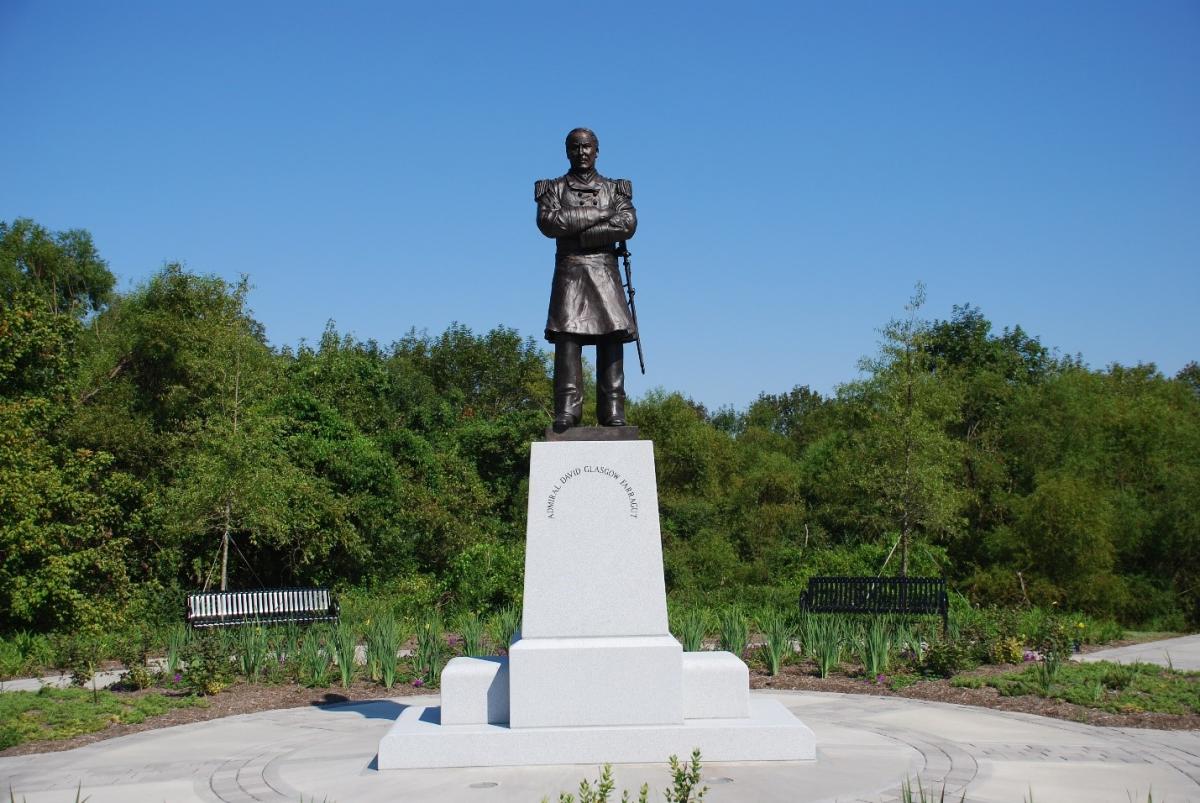
The community eventually took its name from Admiral David Glasgow Farragut, who was born in the area in 1801. Admiral Farragut became the first admiral in United States Navy history and is remembered for his leadership during the Civil War, including his famous command, "Damn the torpedoes, full speed ahead!" during the Battle of Mobile Bay.
Today, residents can learn more about his legacy at the Farragut Museum and the Admiral Farragut Memorial Plaza located near Town Hall.
Farragut and the Civil War
Farragut's history is closely tied to one of East Tennessee's significant Civil War battles. On November 16, 1863, the Battle of Campbell's Station took place in what is now the heart of Farragut. Union forces under General Ambrose Burnside successfully held off Confederate troops led by General James Longstreet during the Knoxville Campaign. The battle helped preserve Union control of East Tennessee and remains an important chapter in local history.
Historical markers throughout the community commemorate the battle and educate visitors about the area's role during the Civil War.
From Farms to Suburbs
For much of the 1800s and early 1900s, Farragut was a rural farming community made up of family farms, churches, and small settlements such as Concord. The arrival of rail transportation and the continued growth of Knoxville gradually brought more residents and businesses to the area.
By the late twentieth century, local residents recognized the need to preserve the community's character as Knoxville expanded westward. In response, citizens voted to incorporate the Town of Farragut on January 16, 1980. The move allowed the community to maintain local control over planning, zoning, and future development.
Farragut Today
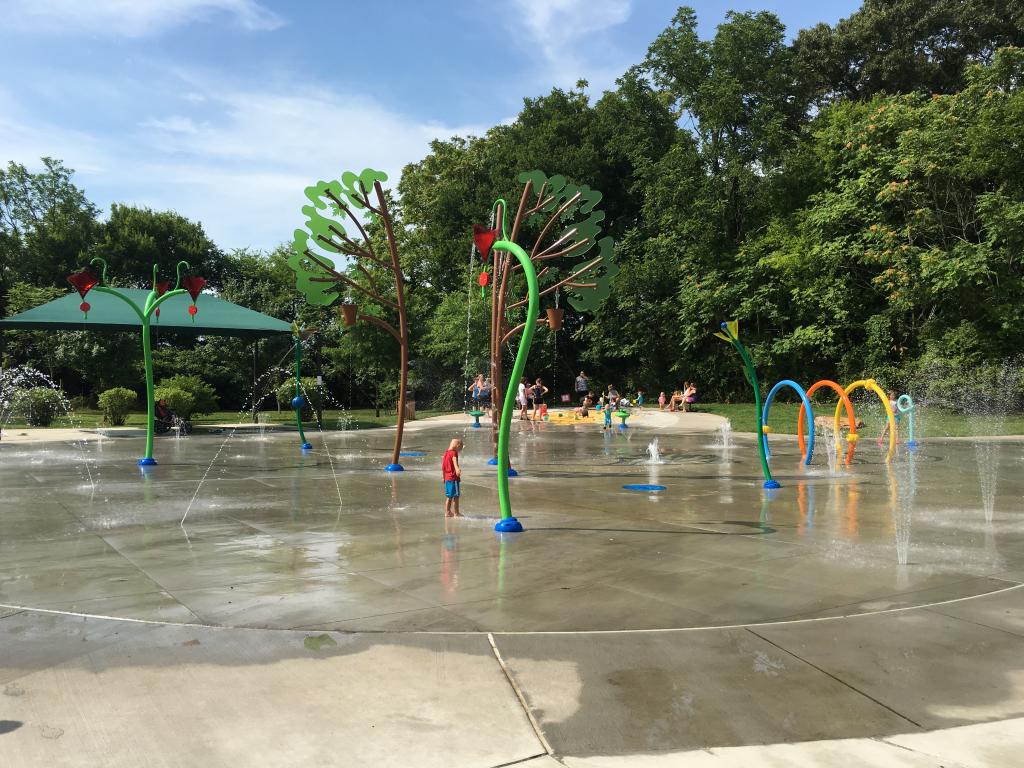
Since its incorporation, Farragut has grown into one of the premier communities in Tennessee. The town is known for its highly regarded schools, extensive park system, walking trails, family-friendly atmosphere, and commitment to thoughtful development. Town leaders have worked to preserve green space, protect historical landmarks, and maintain the high standards that residents value.
While modern Farragut offers every convenience of suburban living, its history remains visible throughout the community—from Campbell Station Inn and Concord Village to historical markers and museums that tell the story of the area's frontier beginnings.
Why People Love Living in Farragut
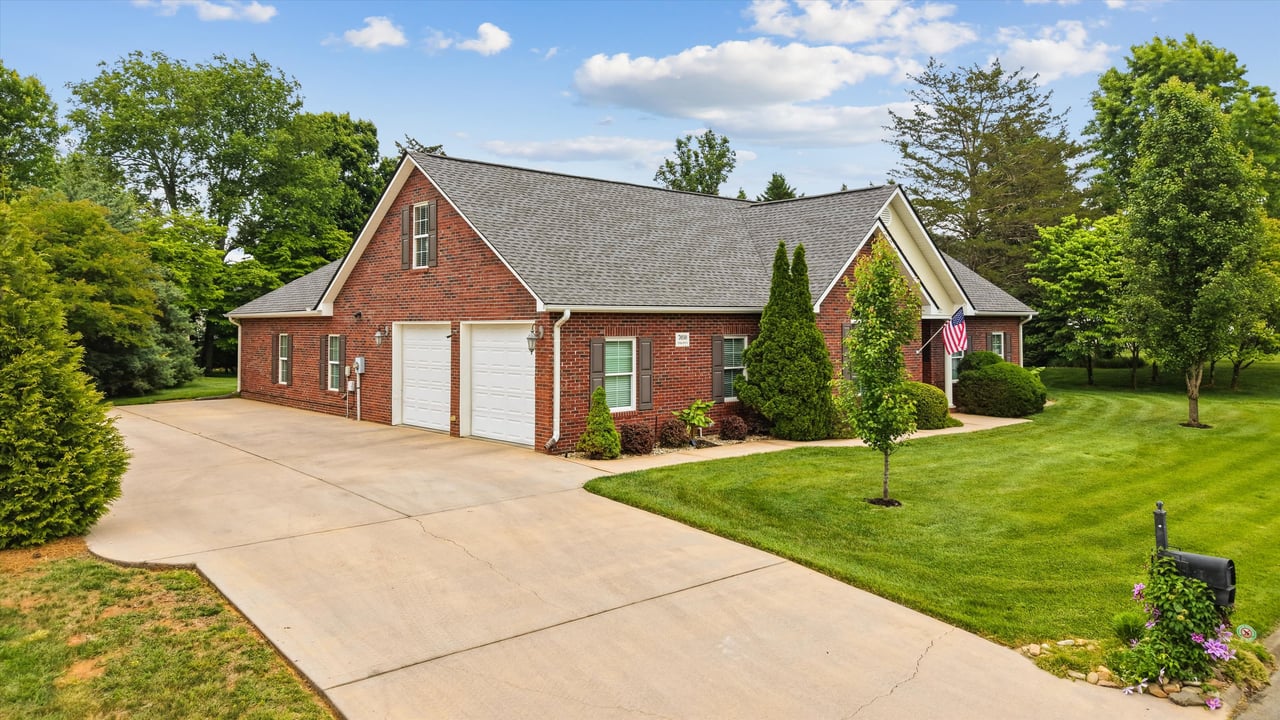
Today, Farragut consistently ranks among the most desirable places to live in East Tennessee thanks to its excellent schools, convenient location, strong sense of community, and beautiful neighborhoods. Residents enjoy easy access to Knoxville, Fort Loudoun Lake, local parks, shopping, dining, and outdoor recreation while still benefiting from the charm and character that have defined the area for generations.
Whether you're new to the area or have lived here for years, Farragut's rich history is one of the many reasons this community continues to attract families, professionals, and retirees alike.