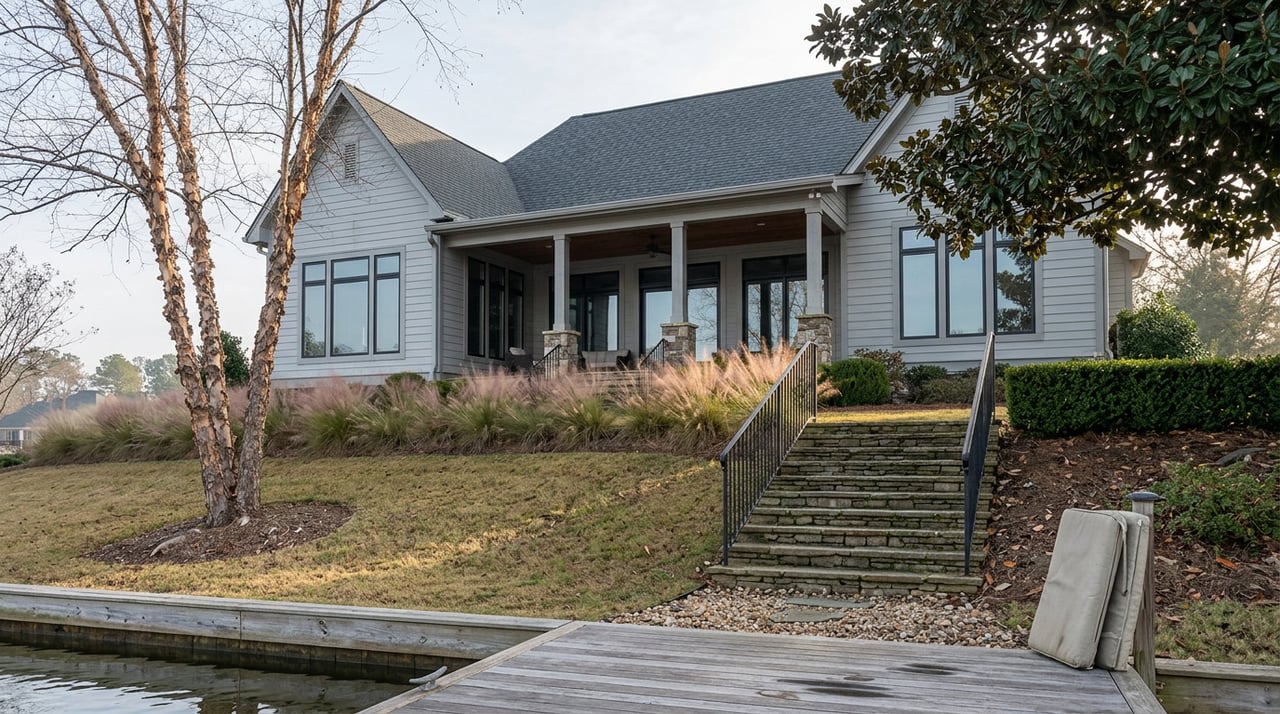
Ask anyone shopping Fort Loudoun or Tellico Lake what they're really buying, and most will say the water. The dock, the view, the ability to walk down and untie a boat on a Tuesday evening. What almost nobody says, because almost nobody knows to say it, is that the dock itself is a federal permit made out to a person, not a deed attached to a parcel. That permit does not follow the sale. It has to be re-earned, on a clock, after closing.
This is the fact that separates a smooth Lenoir City lakefront purchase from a stressful one, and it has nothing to do with square footage, finishes, or even the view from the sunroom.
The permit follows the owner, not the lot
Every dock, pier, boathouse, or shoreline alteration on Fort Loudoun and Tellico Lake falls under Section 26a of the TVA Act. That includes structures built decades ago. The Tennessee Valley Authority treats a dock permit the same way a state treats a driver's license: it belongs to the person it was issued to. When the property changes hands, the permit does not automatically transfer with it. TVA requires the new owner to apply for their own Section 26a permit within 60 days of closing, even if the dock already standing at the water's edge was fully approved for the previous owner.
If that sounds like a formality, it isn't. TVA is explicit that a dock built without a permit in the first place is not grandfathered in. If the paperwork was never filed, or if the structure was expanded beyond what was originally approved, the new owner inherits that liability the moment they sign at closing, including the possibility that TVA requires the structure to be modified or removed at the new owner's expense.
Not every waterfront lot even qualifies
Before any of that matters, there's a more basic question a listing photo can't answer: does this specific parcel have the land rights to hold a dock permit at all. TVA zones its shoreline for different purposes, and only certain zoning categories carry those rights. The agency's own interactive shoreline map marks eligible parcels in royal blue or yellow. Everything else, regardless of how much frontage it has or how good the view is, simply isn't in the running for a Section 26a permit.
In practice, this means the word "waterfront" in a Lenoir City listing can describe three very different products. A lot with an existing, compliant, transferable-in-name-only dock. A lot with land rights but no dock built yet, meaning the buyer starts the permit process from zero. And a lot that will never qualify for a dock no matter who owns it or how much they're willing to spend on an application.
What the paperwork actually costs
TVA's fee schedule treats these three situations differently, and the difference is worth knowing before you write an offer.
| Situation | Application fee |
|---|---|
| New dock or minor shoreline alteration, on-reservoir | $500 |
| Change of ownership for an existing, compliant permitted dock, on-reservoir | $250 |
| New construction or ownership change, off-reservoir | $250 |
Paying the fee does not guarantee approval, and TVA does not refund it if the application is denied. That's a meaningful detail for a buyer who assumed the dock they saw during a showing was simply theirs once the sale closed.
The 60-day clock starts at your closing table
TVA states it aims to issue permits for minor shoreline construction within about two months, though the agency's own shoreline FAQ notes that incomplete applications, site visits, or conflicts with navigation and flood control interests can stretch that window closer to 120 days. Either way, the 60-day requirement to even file the ownership-transfer application starts ticking the day you close, not the day you get around to it.
The practical fix is simple and it belongs in your due diligence period, not after you've moved in. Ask the listing agent for a copy of the existing 26a permit before you write an offer. Walk the dock yourself, or have your agent walk it, and compare what's actually built to what the permit describes. A covered second story that was never supposed to be enclosed, an extra slip added without a new filing, a boathouse that grew past its original footprint: any of these can turn a routine ownership transfer into a modification request that takes longer and costs more.
Why this explains price better than the listing sheet does
Waterfront asking prices in Lenoir City have moved around enough this year to make the point on their own. In one snapshot from February 2026, waterfront listings carried a median asking price near $497,000. By May, a broader pull of listings put that median closer to $458,000. By July, a narrower slice of the same market showed a median asking price above $649,000. Square footage and lot size explain some of that spread, but not all of it. A buyer comparing three "waterfront" homes side by side is often comparing a permitted, compliant, ready-to-transfer dock against a lot that merely has the right to apply for one, and that gap is doing more pricing work than the granite in the kitchen.
Agents who work this lake regularly verify dock status before ever putting a buyer in the car, because dockability, not just proximity to water, tends to be the single biggest price factor on Fort Loudoun's waterfront segment. That verification step is not extra caution. It's the difference between a number on a spec sheet and a number you can actually use from your own backyard.
WindRiver's new clubhouse points to the other path
Not every lake buyer wants to manage an individual 26a application at all, and Lenoir City has a growing option for that preference. WindRiver, the gated golf and lake community on Tellico Lake, opened a 25,000-square-foot Clubhouse Village this summer, designed by the architecture firm KDC and built alongside the community's existing Bob Cupp-designed golf course, Tennessee's first Audubon-certified course, along with its on-site marina and Citico's restaurant. Neighborhoods within the community, including The Highlands, Navigator, and the newer Driftwood Park section, offer lake access through the community's marina rather than through a parcel-by-parcel dock permit.
For a buyer who wants boating access without personally navigating TVA's land-rights map or a 60-day transfer clock, a planned community with permitted, shared water access already in place removes that variable entirely. It's a different trade, community amenities and HOA structure instead of a private dock at your own shoreline, but it's worth knowing the trade exists before you assume private dock ownership is the only way to get on the water here.
Before you write an offer on any Lenoir City lakefront home
- Ask for a copy of the current 26a permit and confirm the dock as built matches the plans on file
- Check whether the specific parcel shows as eligible for dock rights on TVA's shoreline zoning map, not just whether it touches water
- Find out when the existing permit was issued and whether any modifications were made after that date
- Build a realistic transfer window into your closing timeline, generally 60 days to file and up to roughly two months for TVA to process, longer if anything is incomplete
- If you'd rather skip the individual permit process altogether, ask whether a planned lake community with shared marina access fits what you're actually looking for
Frequently Asked Questions
Does a lake view or lake-access lot always come with the right to build a dock? No. TVA zones shoreline parcels differently, and only lots marked eligible on TVA's shoreline map carry the land rights needed to apply for a Section 26a permit. A beautiful view does not guarantee dockability.
What happens if the seller never filed a permit for the dock at all? An unpermitted structure is not grandfathered under TVA's Shoreline Management Policy. The new owner can be required to bring it into compliance or remove it, at their own expense, even though they didn't build it.
How long should I plan for the ownership transfer to take after closing? TVA requires the application within 60 days of closing and aims to issue minor construction permits within about two months, though the agency's own guidance notes that review can stretch toward 120 days if the application is incomplete or the site requires extra review.
If you're comparing lakefront homes on Fort Loudoun or Tellico Lake and want someone who checks the permit before you fall in love with the dock, Karli Pritchard Realtors can walk the shoreline with you and schedule a personalized market consultation before you write an offer.