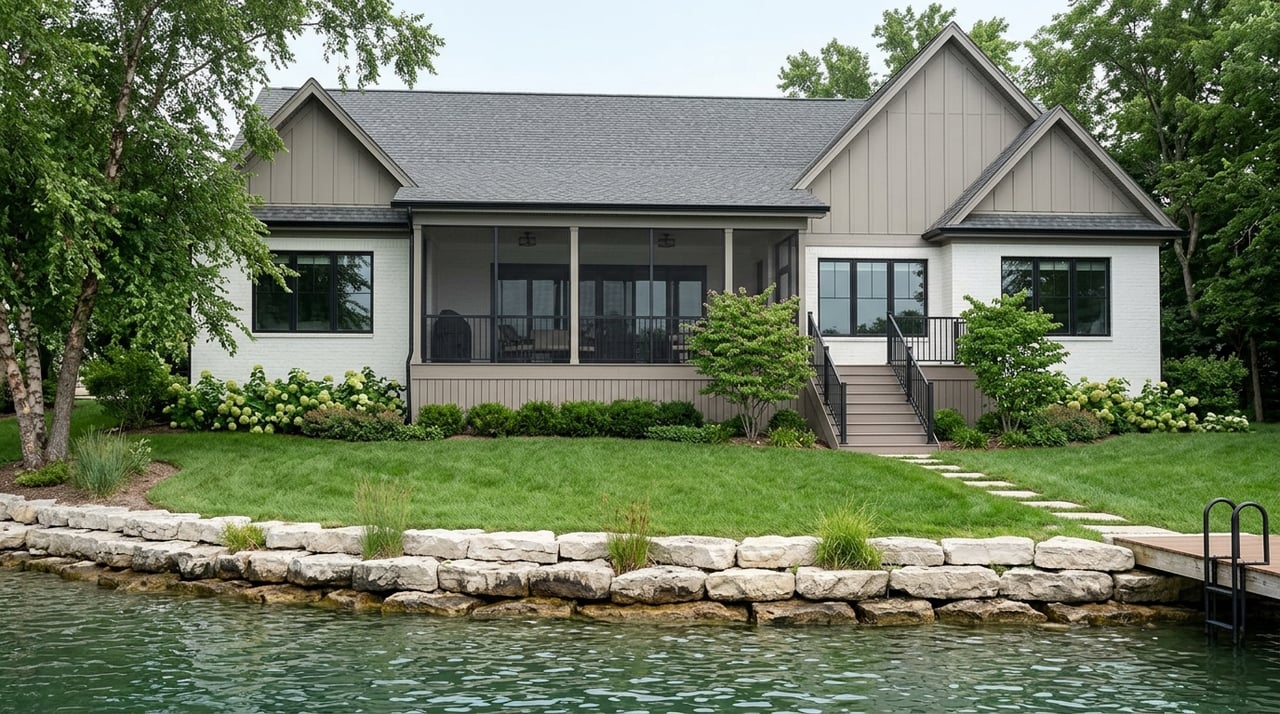
Picture your morning coffee on a private dock, smooth water stretching past tree-lined coves, and a quick boat ride to dinner. If that is your goal, buying along Fort Loudoun Lake in Lenoir City can deliver an easygoing lake lifestyle with real market upside. The key is knowing how pricing, docks, and local rules work so you can buy with confidence. In this guide, you will learn what homes cost, how TVA permits affect docks, where cove versus main channel makes a difference, and what to check before you write an offer. Let’s dive in.
Why Fort Loudoun Lake
Fort Loudoun Reservoir is part of the Tennessee River system and sits at the doorstep of Lenoir City. The lake spans about 14,600 surface acres with roughly 379 miles of shoreline, according to the federal environmental record for the dam and reservoir. That footprint creates a wide mix of coves, points, and main channel views for buyers looking at Lenoir City and nearby Loudon. The Fort Loudoun EIS documents the reservoir’s purpose for power, navigation, flood control, and recreation.
Water levels are actively managed, and daily lake data is posted publicly. You can check current levels and projected releases on TVA’s Fort Loudoun Lake Levels page. This operational reality is also why shoreline and dock rules exist. Understanding those rules early will help you protect your investment.
What lakefront homes cost
Citywide, Lenoir City’s market offers a useful baseline. Recent reporting shows a median sale price around $535,000 as of February 2026, while a typical home value estimate was about $406,000 for the same period. Lakefront homes usually trade at a premium above those city averages. According to a live MLS-driven lake portal, direct Fort Loudoun lakefront listings commonly range from the low-million tier, roughly $1.2 million to $2.5 million, to luxury estates well above $3 to $4 million, with occasional properties above $7 million and very large parcels beyond that. See current listings on LakefrontLiving’s Fort Loudoun page, and use up-to-date MLS data for exact comps.
How to think about your budget:
- Lifestyle buyers or downsizers. Smaller or renovated direct-lake homes, when available, often land around $900,000 to $1.6 million. Off-water or lake-view homes can track closer to the city median. Review “DIRECT lakefront” versus “off-the-water” filters on the MLS-driven lake portal.
- Luxury and estate buyers. Deep-water frontage, high-quality private docks, and acreage typically start around $1.5 million and can extend well above $3 to $4 million. Within the same cove or shoreline, dock entitlement and water depth often drive the largest premiums. Use same-cove comps from the local MLS and LakefrontLiving for the best read.
- Second-home buyers and investors. The biggest price lever is whether the property has a permitted private dock. Off-water or lake-access homes without private docks usually offer a lower entry point and should be compared against Lenoir City’s broader market. See city context on Redfin’s Lenoir City page.
Docks, permits, and shoreline rules
On Fort Loudoun, TVA is the primary shoreline regulator. Most dock, boathouse, lift, or shoreline stabilization work requires a Section 26a permit. TVA outlines what needs a permit, the review steps, and typical timeframes on its shoreline permits guidance. Processing can take weeks to months, depending on scope, so it pays to plan ahead. Read the TVA shoreline permits overview for the process and timing details.
One of the most important buyer facts is transferability. TVA approvals do not automatically transfer when a property sells. New owners should apply to have the permit in their name, and TVA advises doing so soon after you close. Always request the seller’s Section 26a documents and verify the permit scope covers everything on the shoreline today. Start with TVA’s guidance on buying or selling waterfront property.
Design and upgrade limits to know:
- Repairs or like-for-like replacements can still require TVA review. Major changes, like a new boathouse, dredging, or large riprap, trigger more scrutiny and may require state aquatic permits.
- Covered or enclosed second stories on docks face strict limits. An upper-level open deck may be allowed, but enclosed or roofed second stories are restricted. New floating cabins are generally prohibited except in narrow grandfathered cases. See the TVA shoreline permits page for specifics.
What to verify before you write an offer
- Seller’s TVA file. Get the seller’s Section 26a permits, approvals, and any correspondence. Confirm status and scope against existing structures. Use a contract contingency for TVA permit reissuance if the dock is essential to your plan. Start with TVA’s buyer-seller guidance.
- Survey lines. Order a boundary survey that shows the ordinary high-water or full-pool line and any TVA land rights between the house and the water.
- Dock inspection. Hire a dock specialist to inspect framing, anchoring, lifts, and electrical. Confirm that any covered areas comply with TVA design limits.
- Title and easements. Ask the title company to identify recorded TVA easements or rights that could affect the dock or shoreline.
Cove vs. main channel tradeoffs
Fort Loudoun has many coves and points, which create different day-to-day experiences. Protected coves are quieter and better for kayaks, paddleboards, and swimming. Main channel frontage offers big views and fast access to marinas and open water, but it usually brings more boat traffic and larger wakes. The reservoir’s layout explains why both settings exist side by side, as outlined in the Fort Loudoun EIS.
Local speed and wake rules can also shape your experience. Authorities may post no-wake zones in tight or busy areas to improve safety. For example, a no-wake zone near the Turkey Creek and Tennessee River junction was reported in 2024. If you plan to waterski or wake surf, confirm whether your cove or stretch supports those activities. See recent context from regional coverage of no-wake zones on Fort Loudoun.
Access is another plus in Lenoir City. Fort Loudoun Marina and the Lenoir City Park ramps provide public launch points and marina services. If you prefer to avoid dock maintenance or want dry storage, having a nearby marina can be a smart alternative. The EIS record references these public facilities in the dam and park area. Always check seasonal hours and slip waitlists.
Short-term rentals, HOAs, and taxes
If you are planning for short-term rental income, confirm the rules before you submit an offer. Analysts who track local ordinances indicate that Lenoir City’s zoning does not clearly allow residential short-term rentals in typical single-family districts. In many cases, transient lodging is treated as a commercial use and is only allowed in certain commercial districts or by special exception. Pre-offer calls to the planning department are essential. For an overview, see the STR rules summary for Lenoir City.
Layer on HOA rules. Many lakeside communities set additional rental standards. As one regional example, the Tellico Village POA runs a Rental Permit program and enforces rental rules through its Blue Book. Gated or planned communities around East Tennessee lakes often have similar policies, such as minimum stay lengths or registration requirements. Review HOA or POA documents in full. See the Tellico Village Blue Book for how a POA can manage rentals.
Finally, budget for taxes and licensing. Hosts may owe state sales tax and local hotel or occupancy taxes, and may need a local business license. Tennessee allows local regulation, so city or county programs can apply. For a state-level overview of tax obligations, review Tennessee short-term rental tax guidance.
Hidden costs to budget for
- Flood and insurance. Waterfront homes can carry higher insurance needs. Review FEMA mapping and get quotes early. City market pages, such as Redfin’s Lenoir City overview, note areas of elevated flood risk.
- Dock maintenance. Structural repairs, electrical upgrades, and lift work can add up. Consider an annual maintenance budget.
- Utilities and septic. Confirm whether the parcel has sewer or septic, and map any drainfields or utility easements that affect where you can build or add features.
- HOA or POA dues. If you buy in a managed lake community, dues often cover amenities and enforcement that can shape your rental or slip options.
Your step-by-step game plan
- Clarify lifestyle goals. Decide on cove serenity or main channel access, target activities, and your preferred marina or ramp.
- Set a budget range. Use Lenoir City’s citywide pricing as context, then refine with active lakefront comps in the same cove or shoreline.
- Screen for permits and shoreline status. Favor listings with clear, documented Section 26a permits. If not in place, plan time for a new permit.
- Tour with a dock eye. Evaluate water depth, wake exposure, dock orientation, and electrical condition. Bring a dock inspector if the property is a finalist.
- Write a lake-smart offer. Include a TVA permit contingency if the dock is important, and request the seller’s Section 26a file and any surveys.
- Order due diligence. Boundary survey with full-pool line, title search for TVA easements, dock inspection, insurance quotes, and HOA or POA review.
- Confirm rental path, if relevant. Call city and county offices about STR rules, then review HOA rental policies and any permit program.
- Close with confidence. Submit your Section 26a transfer or new permit application promptly after closing if required.
Buying on Fort Loudoun Lake should feel exciting, not stressful. With clear goals, the right property search, and a tight due-diligence plan, you can secure the water access and shoreline features that make lake life work for you. If you would like a curated tour of Lenoir City and Loudon lakefront options, connect with Karli Pritchard for a personalized market consultation.
FAQs
Does a Fort Loudoun dock permit transfer when I buy a home?
- No. TVA approvals typically do not transfer automatically. The new owner should apply for a Section 26a permit in their name and verify that the permit covers the existing dock and shoreline structures. See TVA’s guidance on buying or selling waterfront property.
How long do TVA shoreline permits take on Fort Loudoun?
- Timeframes vary by project, but TVA notes reviews can take weeks to months, and complex projects can stretch toward 120 days. Plan your improvements around the TVA shoreline permits process.
Can I add a boathouse or an enclosed second story on my dock?
- TVA has strict design limits. Covered or enclosed second stories are restricted, and new floating cabins are generally prohibited, with only narrow grandfathered exceptions. Confirm feasibility with TVA before you buy or build using the shoreline permits overview.
Are short-term rentals allowed in Lenoir City lakefront neighborhoods?
- It depends on zoning and community rules. Analysts report residential STRs are not clearly authorized in typical single-family districts and may require commercial zoning or a special exception. Always confirm with the city and review HOA documents. See the Lenoir City STR overview.
Where can I check Fort Loudoun water levels and releases?
- TVA publishes current conditions and projected releases online. For daily lake data, visit TVA’s Fort Loudoun Lake Levels.
What adds the most value on Fort Loudoun lakefront homes?
- Reliable deep-water access and a well-permitted private dock tend to drive the biggest premiums, followed by cove versus main channel setting and dock quality. Review same-cove comps on LakefrontLiving’s Fort Loudoun portal for the best read.