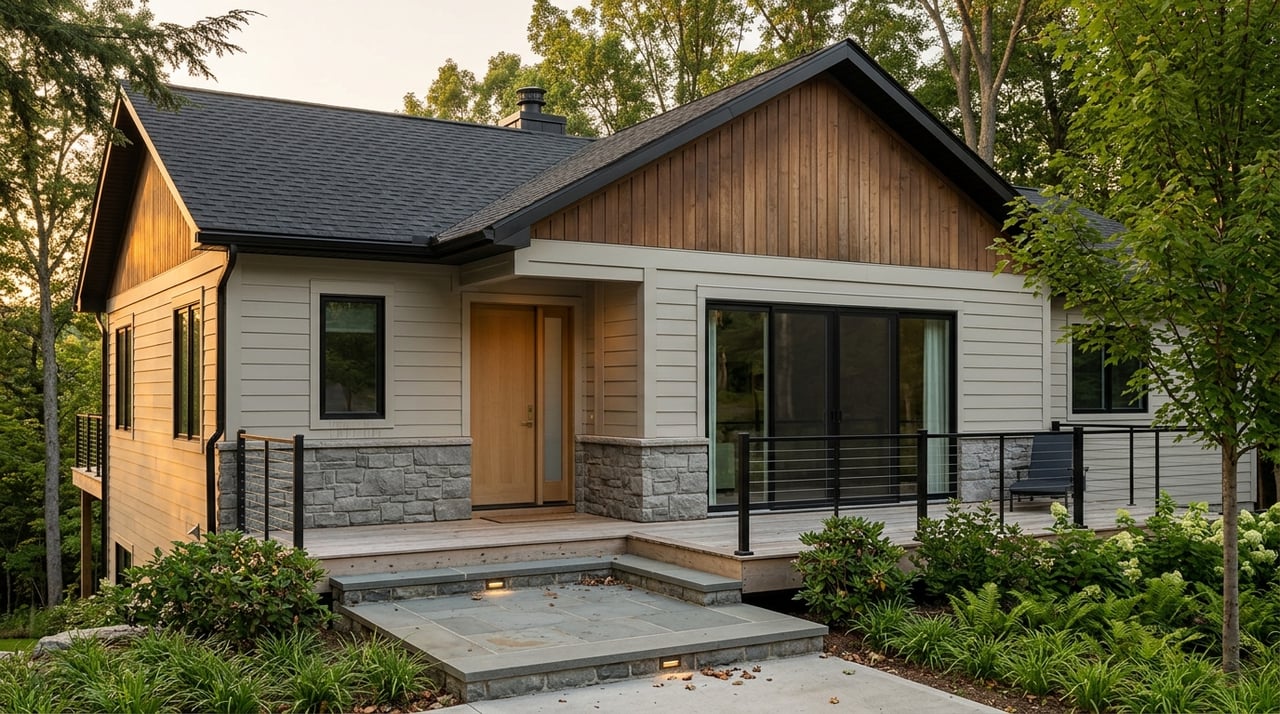
Choosing between a Gatlinburg cabin and a Pigeon Forge cabin is not just about picking a map pin. It is about matching your property to the kind of experience you want, whether that means peaceful mountain time, a second home with easy access to the park, or a rental built around steady visitor traffic. If you are trying to decide where your goals fit best in Sevier County, this guide will help you compare the two with more clarity. Let’s dive in.
Why this comparison matters
Gatlinburg and Pigeon Forge both sit in the heart of the Smokies, but they serve different visitor patterns. Gatlinburg is closely tied to Great Smoky Mountains National Park and promotes itself as the gateway community, with three park entrances in town and a walkable mountain-resort feel. Pigeon Forge, by contrast, is built around a major tourism corridor, family attractions, and year-round entertainment.
That difference matters when you are buying a cabin. A property that feels ideal for your own weekend use may not be the one that best fits an attraction-focused rental strategy. The right choice usually comes down to how you plan to use the cabin, how much management you want, and what kind of guest or lifestyle experience you want to support.
Gatlinburg cabins at a glance
Gatlinburg tends to appeal to buyers who want a stronger mountain setting. The city is surrounded on three sides by the Great Smoky Mountains, and the overall experience is more tied to scenery, park access, and a village-style downtown. If your vision of a cabin includes a quieter setting and easier access to outdoor recreation, Gatlinburg often stands out.
The visitor draw is also significant. Great Smoky Mountains National Park had 12.2 million recreational visits in 2024, and it remains the most visited national park in the country. That level of visitation supports strong interest in lodging that feels close to the park experience.
Best fit for a lifestyle-first buyer
If you are shopping for a second home first and an occasional rental second, Gatlinburg may feel more aligned. The city promotes free trolley access, a downtown park-and-ride option, and a generally walkable core, which can make a stay feel less car-dependent. For many buyers, that creates a more immersive mountain getaway.
Research on park visitors also supports the idea that Gatlinburg attracts a scenery-first audience. In a National Park Service winter 2023 socioeconomic study, respondents commonly cited viewing natural scenery, viewing wildlife, relaxing, outdoor recreation, and spending time with family and friends as key trip motivations. While that study reflects a winter sample, it still helps show the kind of demand that can support a park-adjacent cabin.
What to know about Gatlinburg rentals
If you plan to use a Gatlinburg cabin as an overnight rental, the city requires a Tourist Residency Permit within city limits, as long as the property is properly zoned. Buyers need to verify zoning with the Building and Planning Department before applying. That step is not optional, so it should be part of your early due diligence.
The permit fee is $200 for a unit with two or fewer bedrooms, plus $75 for each additional bedroom. The application also requires owner and rental-agent information and ties into city fire and building inspections. In short, Gatlinburg can work well for rental use, but you need to confirm that the property is eligible before assuming it will fit your plan.
Pigeon Forge cabins at a glance
Pigeon Forge is a different kind of destination. The city describes itself as a major tourist destination with more than 10 million annual visitors, and its tourism identity is centered on attractions, shows, museums, and family-oriented experiences. If you want a cabin that benefits from broad, year-round visitor traffic, Pigeon Forge may be the more practical fit.
The layout also feels different from Gatlinburg. Pigeon Forge is more corridor-based, with the Parkway serving as the main route through town. For buyers, that often means more focus on convenience, parking, and access to attractions than on a secluded mountain-village feel.
Best fit for attraction-driven rental goals
If your main goal is to serve guests planning family trips and entertainment-focused stays, Pigeon Forge often has a strong appeal. The city’s visitor economy is designed around moving people to attractions and activity hubs. Its transit system serves more than 100 stops and includes routes tied to the Parkway, Dollywood, Wears Valley, and the Gatlinburg Welcome Center.
That can make Pigeon Forge appealing for owners who want a cabin in a location that supports a broader range of trip types. Rather than relying mainly on park-oriented demand, you may be reaching visitors who are planning around shows, attractions, and convenience.
What to know about Pigeon Forge rentals
Pigeon Forge has a more structured short-term rental framework. The zoning ordinance requires an operating permit, sets the application fee at $300, and allows annual renewal for $100. The permit is non-transferable, and operating without a valid permit can lead to daily civil citations.
The city also requires a 24/7 contact person who can physically respond within 45 minutes. That detail matters if you do not live nearby or do not plan to hire local help. In addition, overnight rentals are generally permitted in R-2 and higher zoning districts, while short-term rentals in R-1 are limited to qualifying pre-2018 grandfathered uses.
Gatlinburg vs Pigeon Forge by buyer goal
When you compare these two markets, the better option is usually the one that supports your actual use case. Here is a simple way to frame it.
| Buyer Goal | Better Fit | Why |
|---|---|---|
| Second home with mountain feel | Gatlinburg | Stronger park immersion, walkable core, and a mountain-resort setting |
| Rental focused on family traffic | Pigeon Forge | Attraction-driven demand, major tourism corridor, and broad visitor base |
| Hybrid use for personal stays and rentals | Either one | Best choice depends on zoning, access, flood exposure, and management needs |
This is why a property search should start with your priorities, not just listing photos. A beautiful cabin can still be the wrong fit if the permit rules, access issues, or day-to-day logistics do not match your goals.
Compare ownership costs carefully
Purchase price is only one part of the decision. In both Gatlinburg and Pigeon Forge, ownership costs can be shaped by permitting, taxes, flood exposure, and operational requirements. Looking at those early can save you from expensive surprises later.
Gatlinburg’s city property tax rate in the FY2023-24 audit was 0.1257 per $100 of assessed value. Pigeon Forge’s FY2024 city property tax rate was 0.1652 per $100 of assessed value, which is higher than Gatlinburg’s city rate in the same reporting period.
If you are planning to operate a rental in Pigeon Forge, there are more costs to account for beyond the operating permit. The city lists a $15 city business-license application fee, a $15 county business-license fee, a 1% gross receipts tax, and a 2.5% hotel/motel tax. For some buyers, those items are manageable. For others, they shift the math enough to change which town makes more sense.
Flood risk and site conditions matter
Cabin buyers often focus on views and interior features first, but site conditions can have a major impact on long-term ownership. Both Gatlinburg and Pigeon Forge participate in the National Flood Insurance Program and maintain local floodplain management measures. That means flood zone review is a practical part of due diligence in either market.
If a cabin sits near waterways or in lower elevation areas, flood insurance and elevation factors may affect your carrying costs. You should also look closely at driveway conditions, parking, and ease of access. For a personal retreat, these details shape convenience. For a rental, they can affect operations and guest experience.
Questions to ask before you buy
Before you move forward on a cabin in Gatlinburg or Pigeon Forge, keep these questions front and center:
- Is the property zoned for overnight rental use?
- What permits are required, and what do they cost?
- Are inspections part of the approval process?
- If it is in Pigeon Forge, who will serve as the 24/7 contact person?
- Is the property in or near a flood-prone area?
- How easy is the driveway, parking, and year-round access?
- Does the location match how you actually plan to use the cabin?
These questions help you move beyond the surface. They also make it easier to compare two cabins that may look similar online but function very differently once you own them.
Which Smoky Mountain cabin fits you?
If you want a cabin that feels closely tied to the national park experience, Gatlinburg usually makes the stronger case. It offers the most direct connection to scenery, outdoor recreation, and a walkable mountain-town setting. For many second-home buyers, that lifestyle value is the deciding factor.
If your priority is broad visitor appeal and convenience to attractions, Pigeon Forge often checks more boxes. Its tourism engine is large, family-oriented, and built around activity. That can make it especially appealing for buyers who are thinking like operators as much as owners.
If you want both personal enjoyment and rental upside, either town can work. The best result usually comes from choosing the property with the right zoning, the right access, and the least operational friction for the way you plan to use it.
When you are comparing Smoky Mountain cabins, having local guidance can make the decision a lot clearer. If you want a tailored strategy based on your goals, connect with Karli Pritchard for a personalized market consultation.
FAQs
Is Gatlinburg or Pigeon Forge better for a second home in the Smokies?
- Gatlinburg often fits a second-home buyer better if you want stronger park access, a mountain setting, and a more walkable downtown experience.
Is Pigeon Forge or Gatlinburg better for short-term rental cabins?
- Pigeon Forge often fits attraction-driven rental goals better, while Gatlinburg may appeal more to guests focused on scenery and national park access.
Do Gatlinburg cabin rentals need a permit?
- Yes. Overnight rentals within Gatlinburg city limits require a Tourist Residency Permit, and buyers must verify zoning before applying.
Do Pigeon Forge cabin rentals need a permit?
- Yes. Pigeon Forge requires an operating permit for short-term rentals, and the zoning district must allow that use.
Are property taxes different in Gatlinburg and Pigeon Forge?
- Yes. Based on the cited city audit reports, Pigeon Forge’s city property tax rate was higher than Gatlinburg’s in the referenced reporting years.
Should flood zones matter when buying a cabin in Gatlinburg or Pigeon Forge?
- Yes. Both cities participate in floodplain management programs, so flood exposure and possible insurance costs should be reviewed during due diligence.