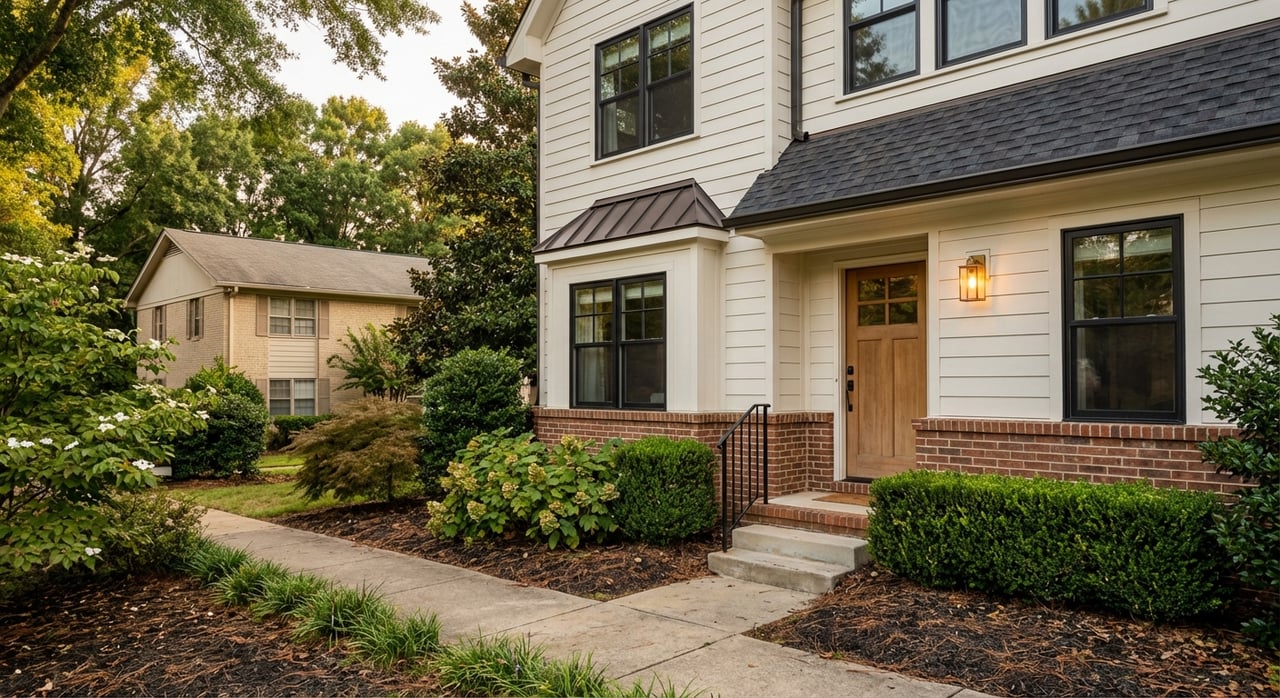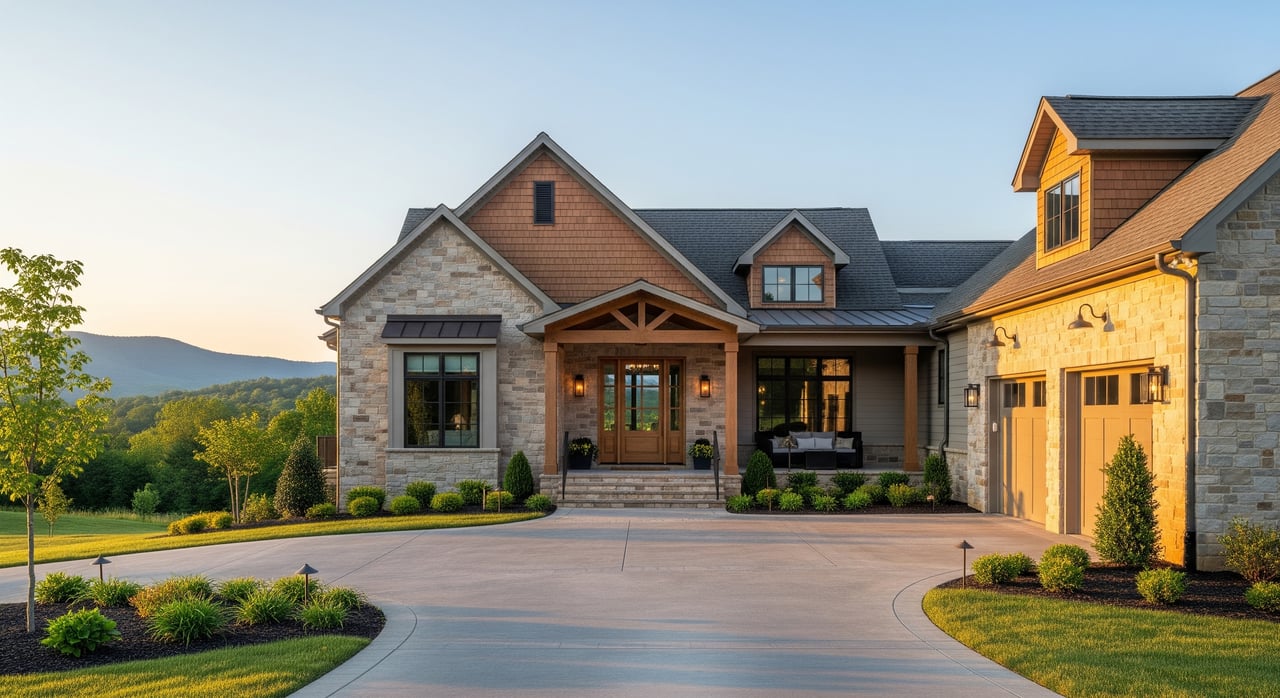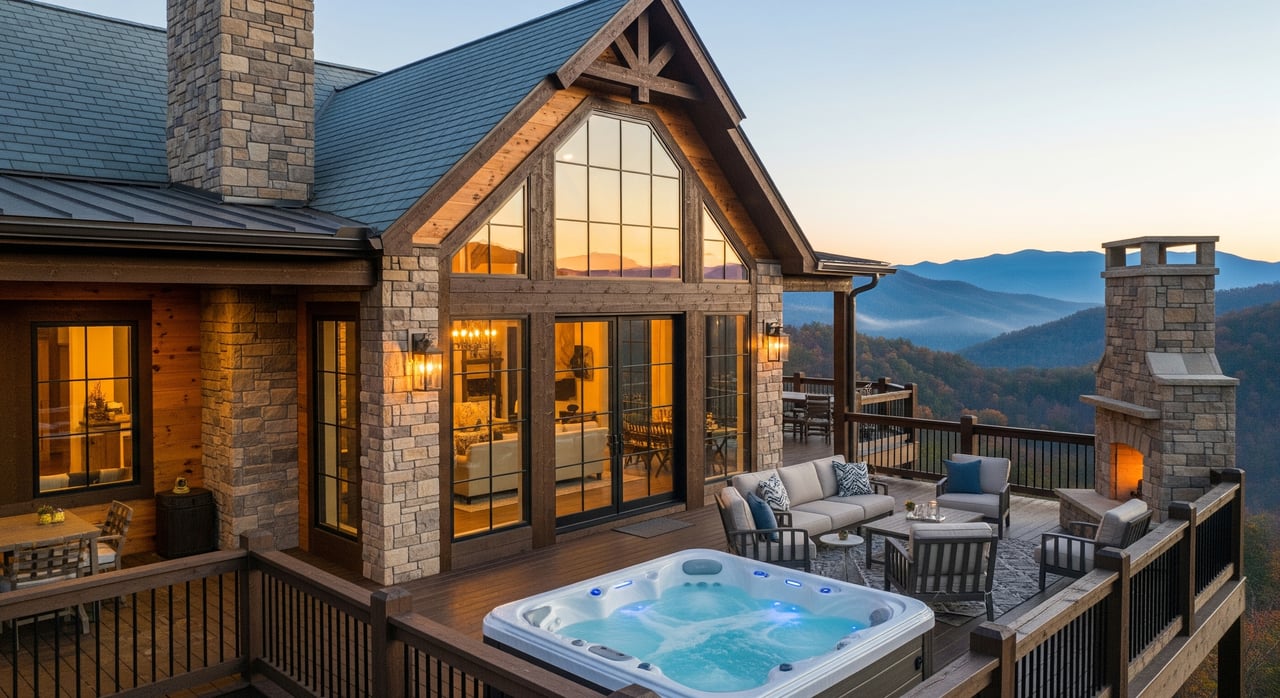
Picture this: a cozy mountain cabin that pays for itself while you enjoy long weekends near the Great Smoky Mountains. If you are eyeing Gatlinburg for a short-term rental, you are not alone. The area draws steady leisure travel thanks to the national park, nearby attractions, and seasonal events. In this guide, you will learn what drives bookings, how to navigate local rules, how to run the numbers, and the exact due diligence to complete before you buy. Let’s dive in.
Why Gatlinburg drives demand
Gatlinburg sits at the gateway to Great Smoky Mountains National Park, the largest driver of travel in the region. Visitors come year-round for hiking, waterfalls, scenic drives, and family attractions. Seasonal peaks are common in spring and summer, during fall foliage, and around the winter holidays. Nearby Pigeon Forge, Dollywood, and local arts and shopping add even more visitor demand.
What performs well
Cabin-style homes with mountain views often command higher nightly rates. Amenities like hot tubs, fireplaces, and large gathering areas can boost appeal. Smaller cabins with one to three bedrooms usually see steady occupancy, while larger luxury homes can achieve higher rates but carry higher operating costs and vacancy risk. Proximity to downtown, main roads, and park access may lift occupancy and rates, though purchase prices tend to be higher.
Read the right metrics
To evaluate a property, focus on average daily rate, occupancy rate, and revenue per available rental. Review seasonality curves and typical length of stay for similar homes. Compare these metrics across multiple sources, including professional STR data providers and local property managers, to set realistic expectations.
Know your rules and permits
Local rules can vary by location, so start with the exact address. Regulations differ if the property is inside Gatlinburg city limits or in unincorporated Sevier County. Confirm the jurisdiction and verify requirements directly with the city or county planning and licensing offices before you submit an offer.
Zoning and HOA checks
Review the city or county zoning map to confirm short-term rentals are allowed. Some zones prohibit STRs or require special approvals. Obtain the recorded covenants, conditions, and restrictions and any HOA rules. HOAs can restrict or cap rentals even when the municipality allows them, so get written confirmation.
Safety, occupancy, and neighbor rules
Expect life-safety requirements like smoke and carbon monoxide alarms, proper egress, and potential fire inspections. Many areas have quiet hours, parking limits, and trash rules. You should also ask about occupancy limits tied to building codes or permits. Violations can lead to fines or loss of rental privileges.
Taxes and licenses
Short-term rentals typically involve state and local lodging or occupancy taxes, plus state sales tax and possible local option taxes. Confirm whether the city, county, or state requires a business license, registration, and regular tax filings. Ask who collects and remits taxes if you list on booking platforms, and learn the filing schedules. Verify current requirements with the Tennessee Department of Revenue and local tax offices, as rules can change.
Run the numbers with care
Before you buy, create a conservative pro forma. Build in seasonality and line-item every cost category so your cash-flow expectations are realistic. Aim to validate revenue and expenses using third-party data and, when possible, actual statements from the property.
Operating costs to model
- Mortgage payments, principal and interest
- Property taxes and assessed value trends
- Insurance for property, liability, and STR activity
- Utilities: electricity, water or sewer, septic service, propane, trash, cable and Internet
- Property management fees, often 15 to 35 percent of gross revenue depending on services
- Cleaning and turnover costs, including laundry and restocking
- Maintenance and capital items like HVAC, roof, deck, hot tub, and septic service
- Platform and payment processing fees
- Marketing costs such as professional photography and listing optimization
- Reserves for vacancies, emergency repairs, and compliance
Revenue levers you control
- Pricing strategy, including dynamic pricing for weekdays, weekends, and seasons
- Minimum stay settings and calendar management
- Amenities that support higher nightly rates, like hot tubs, fireplaces, and views
- Professional photography, fast response times, guest screening, and strong reviews
- Distribution across multiple platforms and direct booking options to reduce fees
Data and comps that matter
Use STR data platforms for occupancy, rates, and comparable property analytics. Pull manual comps by reviewing similar listings for a full year to see prices and availability patterns. Request pro formas and references from local property managers. County or municipal lodging tax reports can help you gauge broader demand trends.
Financing, insurance, and taxes
Understand the financing and risk profile before you write an offer. Lenders, insurers, and tax authorities treat short-term rentals differently from primary residences.
Loans for STRs
Lenders may classify your purchase as a primary residence, second home, or investment property. Investment loans generally require larger down payments and carry higher interest rates. Conventional lenders may have stricter limits, while local or portfolio lenders can be more flexible in resort markets. Many lenders stress test for higher vacancies and expenses, so prepare solid underwriting.
Insurance must-haves
Many standard homeowner policies exclude business or rental activity. Ask for a short-term rental or landlord policy that covers guest-related liability. Gatlinburg’s mountain setting makes wildfire and flood risk important considerations, so review coverage carefully. Confirm the insurer’s rules on guest stays and any STR-specific endorsements.
Tax treatment basics
You must report rental income. Common deductions include mortgage interest, property taxes, insurance, utilities, depreciation, maintenance, and management fees. Track personal use days because IRS thresholds can change tax treatment. Short-term rentals can also trigger local business tax responsibilities, so verify what you must file and when. Consider an attorney and CPA to discuss entity structure and tax strategy.
Due diligence checklist
Work through these steps to reduce surprises and support your negotiation.
Property and physical items
- Confirm zoning allows STRs in writing with the city or county
- Obtain CCRs and HOA rules to confirm rental allowances and any caps
- Verify utilities and infrastructure, including septic history, water source, and electrical capacity
- Assess hillside stability, retaining walls, driveway access, and winter maintenance
- Order inspections for building, electrical, HVAC, septic, and termite or pest
- Review receipts for major repairs and the property’s insurance claims history
- Confirm legal on-site parking aligns with your planned occupancy
Regulatory and tax items
- Confirm required business licenses, registrations, and permits for the property’s jurisdiction
- Ask about inspection requirements and permitted occupancy limits
- Request current lodging and sales tax rates and remittance schedules, and ask whether platforms remit any portion on your behalf
Market and financial underwriting
- If the property has rental history, obtain 12 months of actual income and expenses
- Verify income via bank statements or tax returns when possible n- Build a conservative pro forma, including seasonality and all operating costs
- Compare projections to third-party STR analytics and local manager comps
Operational readiness
- Decide to self-manage or hire a professional manager and compare contracts and fees
- Line up cleaning and linen services for peak season
- Identify reliable emergency vendors for plumbing, HVAC, and electrical
Questions to ask
- City planning: Is the home legally permitted for STRs and what is the process?
- County planning: Are there extra restrictions or taxes in unincorporated areas?
- HOA: Are STRs allowed and are there occupancy or registration caps?
- Fire marshal: What alarms, safety equipment, or inspections are required?
- Tax offices: What lodging and sales taxes apply and when are they due?
- Property managers: What are typical occupancy, ADR, and management fees for comps?
Local risks to plan for
Tourist towns can change rules quickly in response to community concerns. Factor in regulatory risk and future compliance costs. Mountain environments also bring wildfire, flood, and landslide risks, so plan for insurance, defensible space, and evacuation routes. Good neighbor practices like clear house rules, parking plans, and trash schedules help prevent complaints that can lead to enforcement.
Self-manage or hire a manager
Many buyers hire a local, full-service manager for guest communication, turnovers, maintenance, and pricing. Fees commonly range from 15 to 35 percent of gross revenue depending on services and season. Self-management can reduce costs if you are local, organized, and responsive, but it requires reliable vendors and 24/7 guest support. Ask managers for service-level agreements, references, and clarity on what is included.
Getting started in Gatlinburg
Begin with address-level verification of zoning, HOA, and licensing requirements. Underwrite three properties using conservative assumptions and get quotes for insurance, management, and cleaning. If a home has rental history, validate it with statements. Finally, plan your launch: safety checklist, professional photography, a pricing calendar, and a guest communication playbook.
If you want local, hands-on guidance from search to setup, reach out to Karli Pritchard for a personalized consultation on Gatlinburg and greater East Tennessee resort properties.
FAQs
What permits do Gatlinburg short-term rentals require?
- Requirements depend on whether the home is inside Gatlinburg or unincorporated Sevier County; confirm business licensing, STR registration, inspections, and occupancy limits with the correct jurisdiction before you buy.
How are STR taxes handled in Sevier County?
- Short-term rentals typically collect lodging or occupancy taxes and state sales tax from guests, then remit to the Tennessee Department of Revenue and applicable local offices on a set schedule; verify current rates and who remits if you use booking platforms.
Which Gatlinburg properties book best for STRs?
- Cabin-style homes with mountain views, hot tubs, fireplaces, and good access to town or park entrances tend to command higher rates, while smaller one to three bedroom cabins often maintain stable occupancy.
What insurance do I need for a Gatlinburg STR?
- Most owners need a short-term rental or landlord policy with strong liability coverage, plus hazard protection that addresses wildfire and flood risks; confirm the insurer allows STR activity and any required endorsements.
How should I estimate STR income in Gatlinburg?
- Use third-party STR analytics, manual comps from similar listings, and local manager pro formas to model occupancy, nightly rates, and seasonality, then compare to any available historical statements from the property.
What risks are unique to Gatlinburg STR ownership?
- Key risks include changing STR regulations, wildfire and flood exposure, neighborhood nuisance complaints, and new supply that increases competition; plan for safety measures, good neighbor policies, and flexible pricing.
Should I hire a Gatlinburg property manager?
- A local manager can handle pricing, guest support, turnovers, and maintenance for a percentage of gross revenue; compare fees and service levels against the time and responsiveness required to self-manage effectively.