If you are trying to decide whether to keep renting or make your first move into homeownership, Fountain City deserves a serious look. This North Knoxville area offers a mix of approachable home prices, rents that still sit below the broader Knoxville average, and housing stock with real long-term potential. In this guide, you’ll see where the numbers stand now, what to watch for in older homes, and which parts of Fountain City may offer the smartest opportunities. Let’s dive in.
Why Fountain City stands out
Fountain City is a neighborhood in north Knoxville, about 6 miles from downtown, with much of the area centered around ZIP codes 37918 and 37912. According to Visit Knoxville’s neighborhood guide, the area is known for its mostly residential feel and local landmarks like Fountain City Park, the duck pond, and the historic corridors near Hotel Avenue and Tazewell Pike.
That setting matters if you want options. Fountain City is not a one-note market. You can find detached starter homes, older houses with character, and some attached or small multifamily formats, which gives both first-time buyers and small investors more room to compare strategies.
In the 37918 ZIP code proxy, Census Reporter shows a median household income of $69,752 and a median owner-occupied home value of $274,900. That helps frame Fountain City as a neighborhood where entry-level and moderate-price housing still plays a meaningful role.
Fountain City prices and rents now
The current numbers suggest a market that is active, but not overheated. Realtor.com’s Fountain City overview shows a median home price of $299,900, with 49 active listings, a median price of $202 per square foot, and 84 days on market in its December 2025 snapshot.
A similar reading comes from Redfin data cited in the research, which showed a median sale price near $299,000 and a median 56 days on market in February 2026. Together, those numbers point to a market where homes are moving, but buyers may still have room to negotiate, especially compared with faster-paced segments of the Knoxville area.
On the rental side, the same Realtor.com Fountain City page lists a median rent of $1,395 per month. That is notably lower than Zillow’s broader Knoxville average rent of $1,776, based on the research provided.
For apartment-heavy pockets on the Fountain City edge, RentCafe’s market trends place areas like Norwood around $1,199 and Inskip around $1,211. That creates a useful middle-ground picture: Fountain City is often more affordable than many Knoxville rental alternatives, but still offers a path into ownership for buyers who are ready.
Buy or rent in Fountain City?
For many people, the buy-versus-rent question comes down to monthly cost, time horizon, and repair tolerance. Based on the research, with Freddie Mac’s 30-year fixed rate averaging 6.38% on March 26, 2026, a $299,900 purchase works out to about $1,498 per month in principal and interest with 20% down, or about $1,685 with 10% down.
That puts estimated mortgage payments in the same general range as Fountain City’s $1,395 median rent. Once you factor in taxes, insurance, maintenance, and possible repairs, renting may still be the simpler short-term option. But if you plan to stay put for several years, buying may give you the chance to build equity instead of continuing to pay rent each month.
A simple way to think about it is this:
- Renting may make more sense if you need flexibility, want fewer repair responsibilities, or are still building savings.
- Buying may make more sense if you want stability, plan to stay for a while, and are prepared for maintenance costs.
- A fixer or older home may make sense if you have cash reserves and are comfortable taking on projects over time.
Older homes can be a smart play
One of Fountain City’s biggest strengths is also one of its biggest decision points: age of housing stock. According to Point2’s Fountain City neighborhood profile, about 66.9% of the housing is detached single-family homes, and the median construction year is 1986. At the same time, several nearby historic pockets include homes from the 1920s through the 1940s.
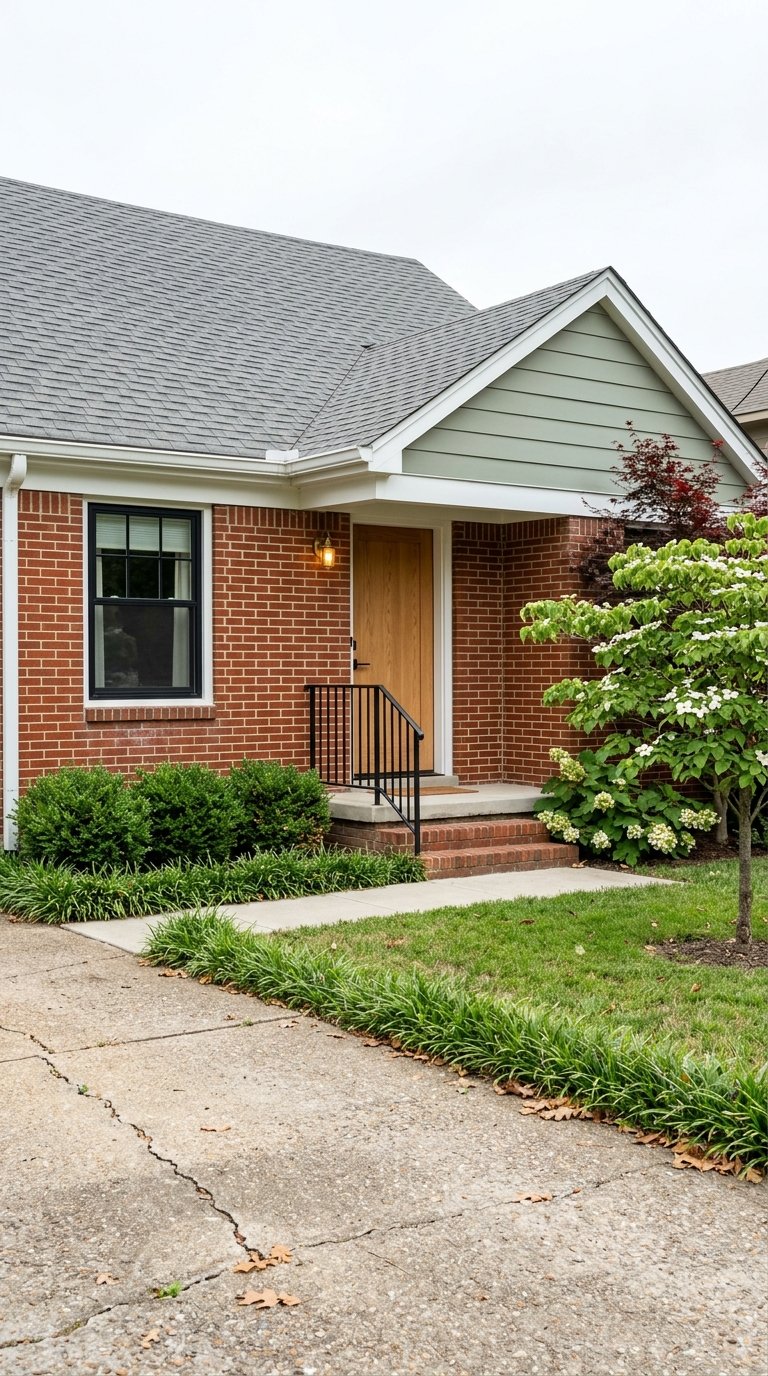
That mix creates opportunity. You may find a move-in-ready starter home, but you may also come across an older house with a lower entry price and room for updates. For buyers and small landlords, those value-add properties can be appealing if the numbers work and the condition is manageable.
The key is going in with a realistic plan. Older homes often need more than paint and flooring, especially if major systems have not been updated recently.
What to check before you buy
A strong inspection is especially important in Fountain City’s older-home pockets. The Consumer Financial Protection Bureau notes that a home inspection can uncover damaged or worn-out parts of the property and may also create room to negotiate repairs or a credit.
Fannie Mae guidance cited in the research adds that inspections can reveal safety issues, illegal installations, maintenance concerns, and structural problems. The research also notes that upkeep costs tend to be higher for newer owners of older homes than for people who have owned their homes longer.
If you are shopping for a starter home or rental property here, build your budget around more than the down payment. Try to leave room for:
- Inspection-related repairs
- Immediate post-closing maintenance
- Older system updates over time
- A larger emergency reserve than you might need in a newer home
If you are considering a property that needs substantial work, a renovation financing option may be worth discussing with your lender. The research points to Fannie Mae’s HomeStyle Renovation loan as one option that can finance both the purchase and the rehab, with funds released in stages after inspection milestones.
Best Fountain City pockets to watch
Not every part of Fountain City offers the same opportunity. If you are trying to make a smart buy now, it helps to separate areas by likely use case rather than look for a one-size-fits-all answer.
Fountaincrest for starter homes
Based on the current data, Fountaincrest looks like one of the cleaner entry points for buyers who want a starter home with neighborhood appeal. Homes.com’s Fountaincrest profile reports average home values around $321,072 and about $239 per square foot.
The profile describes a housing mix that includes updated 1930s and 1940s bungalows, cottages, and Colonials. Its location near Broadway, Fountain City Park, and neighborhood retail adds everyday convenience, which can support long-term appeal for both owners and future renters.
Smithwood for value-minded buyers
Smithwood appears to offer a more value-oriented option with investor appeal. According to Homes.com’s Smithwood profile, many homes date from the 1920s through the 1940s, with single-family homes ranging from roughly $150,000 to $470,000 and townhouses from $218,000 to $279,000.
The neighborhood also has retail access along Broadway and Tazewell Pike, plus bus access. For buyers who want a more central North Knoxville location or who are comparing rental demand drivers, that broader accessibility may be worth a closer look.
Historic core for long-term upside
If you are comfortable with older homes and a longer time horizon, the historic core may offer the strongest character-based upside. The Knoxville History Project’s Fountain City driving tour highlights the long-standing importance of Hotel Avenue, Fountain City Park, and the Tazewell Pike and Sanders area.
These areas reflect Fountain City’s historic identity and mostly residential pattern. For buyers willing to take on repair planning and careful due diligence, that combination of character and location can be compelling over time.
Smart strategies for buyers and small investors
If you want to buy wisely in Fountain City right now, focus less on chasing the cheapest price and more on finding the best overall fit. A low list price can lose its appeal fast if the property needs major repairs, has limited rental flexibility, or does not align with your timeline.
A better approach is to compare homes through three lenses:
1. Monthly payment
Look at your likely mortgage payment, plus taxes, insurance, and a maintenance cushion. A house that feels affordable on paper can become stressful if it leaves you no room for normal upkeep.
2. Condition and repair risk
Older homes can offer upside, but they often require a stronger cash buffer. Inspection findings matter just as much as the purchase price.
3. Exit flexibility
Think ahead. If your plans change in a few years, would the home still appeal to future buyers or renters based on its location, layout, and price point?
Why timing still matters
The current Fountain City market appears active without being overly aggressive, and that can create opportunity for prepared buyers. With homes selling around 98% to 99% of list price based on the research summary, this is not a market where every listing is necessarily flying off the shelf at any cost.
That gives you room to be selective. You can compare condition, neighborhood pocket, and payment structure more carefully than you might in a more frenzied environment. For first-time buyers and small investors, that breathing room can be a real advantage.
If you are weighing Fountain City starter homes against staying in a rental, the smartest move is usually a local, numbers-first strategy. The right choice depends on how long you plan to stay, how much repair work you can realistically handle, and whether owning now fits your bigger financial goals.
If you want help comparing Fountain City homes, rental alternatives, and the best-fit neighborhoods for your budget, Karli Pritchard can help you build a clear, local game plan.
FAQs
What is the current median home price in Fountain City, Knoxville?
- According to the research provided from Realtor.com, the median home price in Fountain City is about $299,900.
What is the average rent in Fountain City, Knoxville?
- Realtor.com data in the research shows a median Fountain City rent of $1,395 per month, which is lower than the broader Knoxville average rent cited from Zillow.
Are older homes common in Fountain City?
- Yes. Point2 data in the research shows a housing mix dominated by detached single-family homes, with a median construction year of 1986 and many nearby pockets containing homes from the 1920s to 1940s.
Which Fountain City areas may be best for starter homes?
- Based on the research, Fountaincrest stands out as a strong starter-home pocket, while Smithwood may appeal more to value-minded buyers and small investors.
Is Fountain City a better place to buy or rent right now?
- It depends on your timeline, savings, and comfort with maintenance. With home prices and mortgage payments relatively close to local rent levels, the best choice often comes down to whether you want flexibility or the chance to build equity.