If you want a West Knoxville neighborhood that feels tucked away without feeling cut off, Rocky Hill deserves a closer look. Many buyers are trying to balance home style, daily convenience, and commute time all at once, and that can make the search feel overwhelming. The good news is that Rocky Hill offers a practical mix of established homes, neighborhood amenities, and access to the wider city. Let’s dive in.
Why Rocky Hill stands out
Rocky Hill is a West Knoxville neighborhood in the 37919 zip code, generally bounded by Northshore Drive, Wallace Road, and Westland Drive. It sits about 10 miles southwest of downtown Knoxville, which gives you a little more breathing room than some closer-in areas while still keeping city access within reach.
What often stands out first is the setting. Rocky Hill feels residential and calm, but it is not isolated. With nearby parks, neighborhood shopping, and key road connections, the area offers a lifestyle that is convenient without feeling overly busy.
Rocky Hill home styles
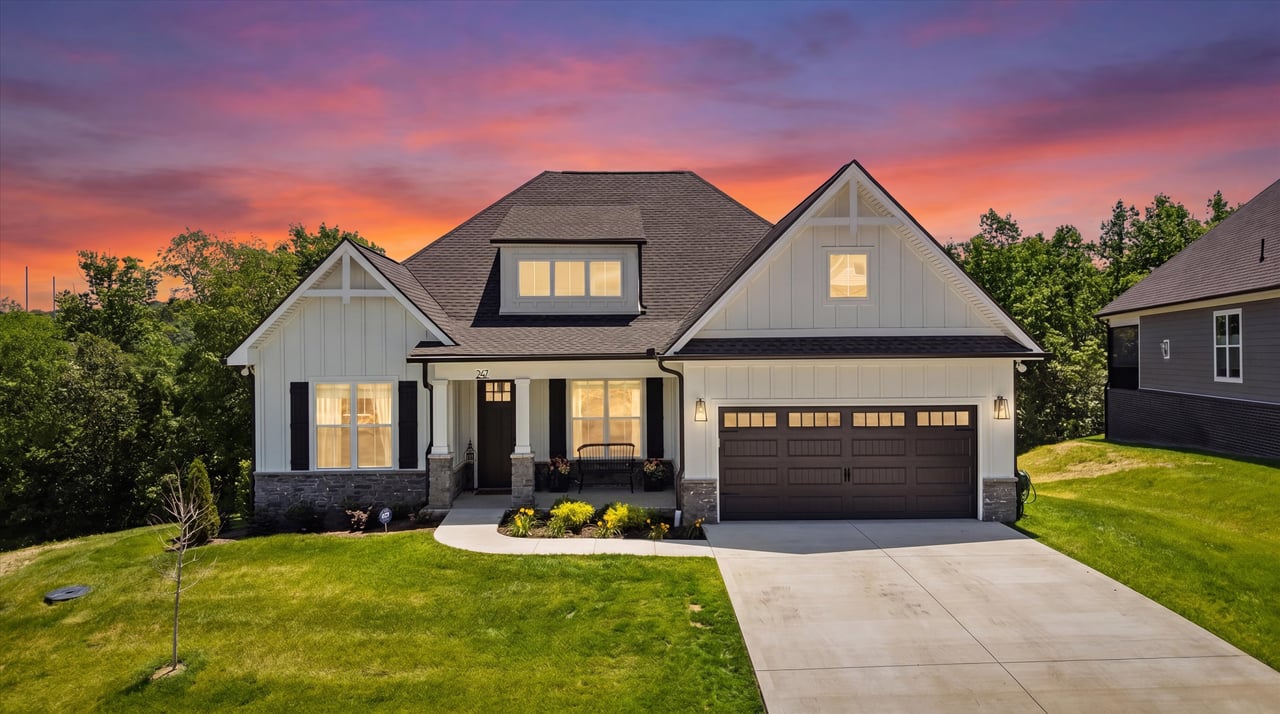
One of Rocky Hill’s biggest strengths is its mix of established housing. Based on current listings and Knoxville planning notes on common local architectural styles, you are most likely to see ranch homes, split-level homes, and traditional two-story houses from the mid-century period through the 1980s.
That matters if you like neighborhoods with mature lots and a less cookie-cutter feel. Instead of one dominant new-build style, Rocky Hill tends to offer a range of floor plans, elevations, and update levels. For buyers, that usually means more variety in both layout and price point.
Ranch and split-level homes
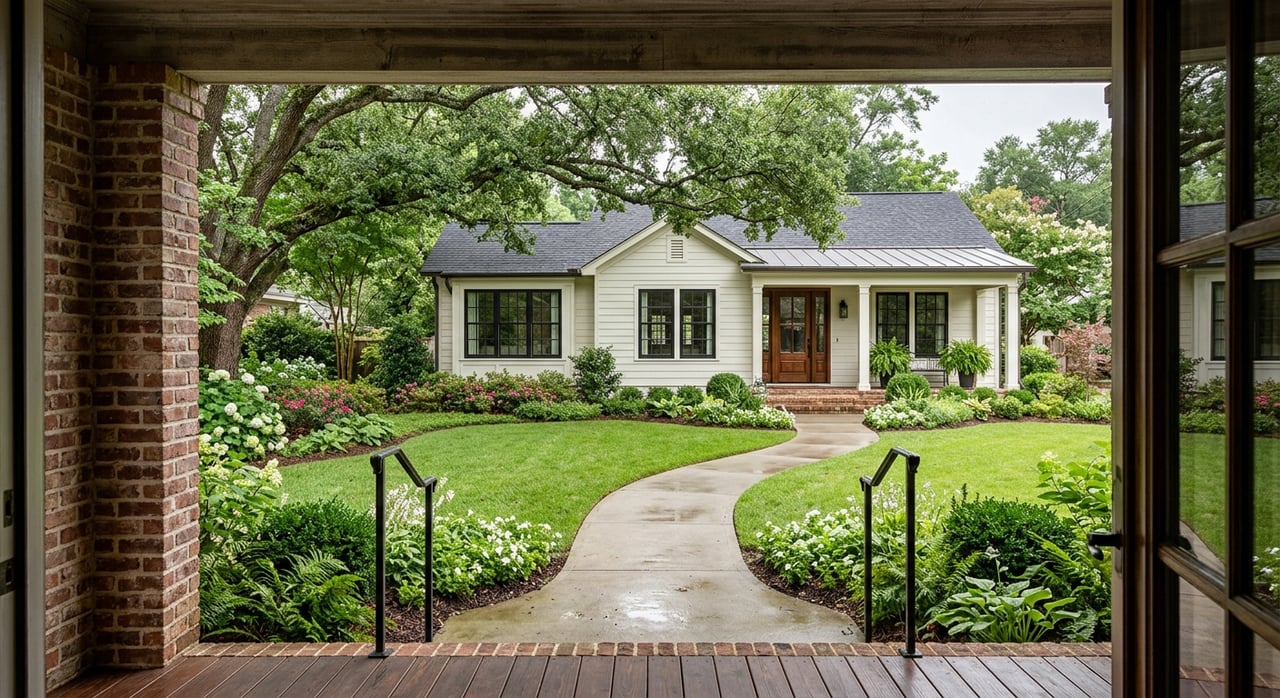
Ranch homes are a familiar part of Rocky Hill’s housing stock. Knoxville planning notes describe ranch houses as one-story homes with low-pitched roofs, and split-level homes as a common variation from the same era. In Rocky Hill, that often translates into practical layouts, broad front yards, and homes that sit comfortably on established lots.
If you prefer one-level living, this is a helpful neighborhood to watch. Current examples include one-level homes with updated interiors, hardwood and tile flooring, and renovated kitchens. You may also find split-level options that provide a little separation between living areas, bedrooms, and bonus space.
Two-story homes and finished basements
Rocky Hill also includes later-built two-story homes and homes with finished basements. Some current listings highlight cul-de-sac settings, decks, fenced back yards, and two-car garages, which can be appealing if you want more flexible indoor and outdoor space.
Finished basements can be especially useful if your needs are changing. You might use that extra space for a playroom, home office, hobby area, or media room. In a neighborhood with several decades of housing, that kind of layout variety is part of the appeal.
Common interior features
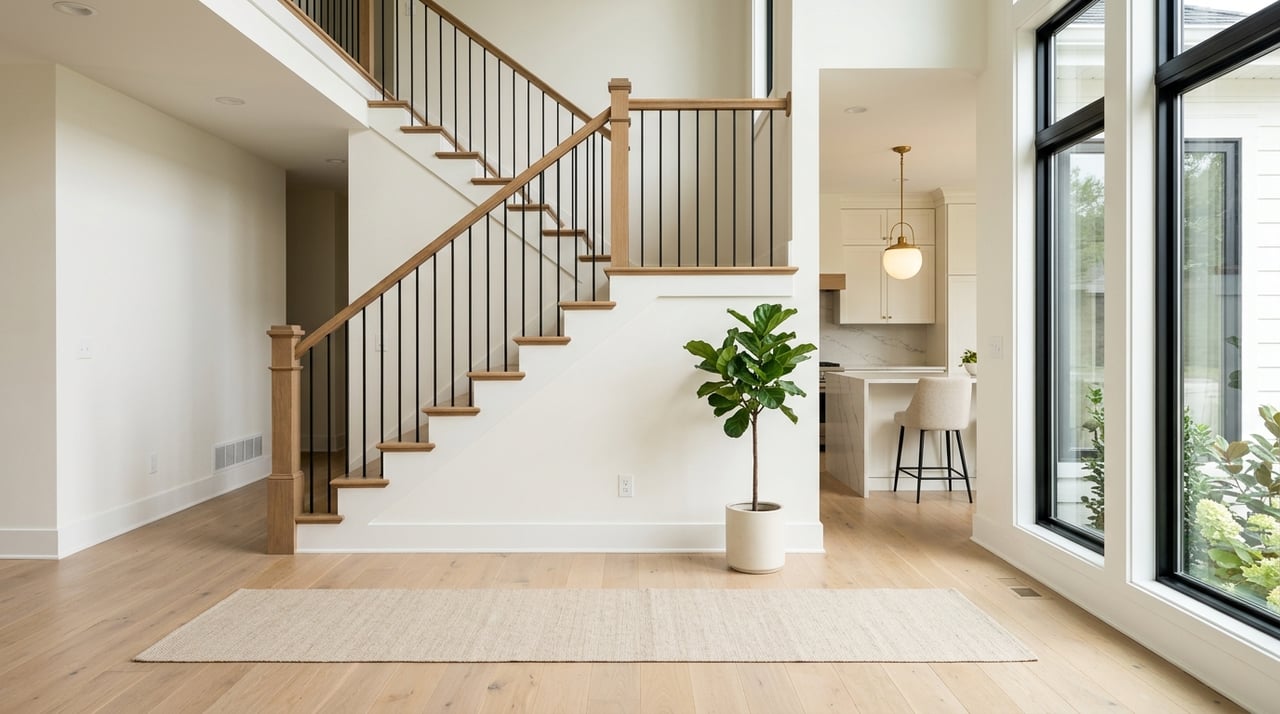
While every home is different, buyers in Rocky Hill are likely to come across a familiar set of interior features in updated listings. These can include:
- Updated kitchens with granite counters
- Stainless steel appliances
- Fireplaces
- Butler’s pantries
- Bonus rooms
- Walk-in closets
- Main-level primary suites
- Fenced back yards
That mix reflects a neighborhood where many homes have already seen thoughtful renovations. If you want an established setting but hope to avoid a full-scale remodel, Rocky Hill may offer solid options.
Lot sizes and neighborhood layout
Lot size is another reason buyers look closely at Rocky Hill. Based on current market examples, many homes appear to sit on lots around a quarter-acre to a half-acre, with some older parcels coming in larger.
That can make a real difference in how the neighborhood feels day to day. More yard space often means a little more privacy, room for landscaping, and outdoor living potential. A few examples in the area include lots around 0.37 acres, 0.26 acres, 0.65 acres, and even a 1.2-acre parcel on North Shore Drive.
Because the neighborhood developed over time, the streetscape tends to feel more varied than in many newer subdivisions. You may notice mature trees, a mix of home setbacks, and pockets that feel more tucked away. For many buyers, that established character is a major plus.
Rocky Hill commute and access
When it comes to commuting, Rocky Hill is generally more car-oriented than walk-oriented. That is fairly typical for this part of West Knoxville, and it helps explain why the neighborhood appeals to buyers who want a residential setting with practical road access.
Listings in the area often point to convenient connections to Northshore Drive, Kingston Pike, and I-40. Those routes support travel to downtown Knoxville, Bearden, and the broader West Knoxville area. If your routine includes driving to work, errands, or activities, Rocky Hill fits well into that pattern.
Public transit and greenway access
Transit options do exist, but they are more corridor-based than dense. KAT Route 11/19 serves the Lakeshore Park area, and Route 17 serves the Sutherland and Bearden corridor. For some residents, that can be a useful supplement, though it is not likely to replace a car for most daily needs.
Greenway access adds another layer of mobility and recreation. Lakeshore Greenway runs through Lakeshore Park as a 3.1-mile loop and follows part of the Tennessee River. It also has a transit stop on Route 11/19, which gives the area a helpful connection point.
How Rocky Hill compares on commute feel
Compared with Bearden, Rocky Hill sits a bit farther from downtown Knoxville. Visit Knoxville places Bearden about 5 miles west of downtown, while Rocky Hill is described as about 10 miles southwest of downtown. In practical terms, Rocky Hill often feels more tucked into the larger West Knoxville pattern of driving-based convenience.
That difference can be a plus if you want a quieter residential pocket. You are still connected to major corridors and city amenities, but the neighborhood itself tends to feel less commercial and more set apart.
Everyday conveniences in Rocky Hill
One of the most appealing things about Rocky Hill is that daily errands can stay close to home. The area does not revolve around one large downtown-style center. Instead, conveniences cluster around neighborhood nodes that support everyday life.
Rocky Hill Center is a key example. It includes Butler & Bailey Market, Elder’s Ace Hardware, Rocky Hill Family Physicians, and several casual dining options. For many residents, that helps the neighborhood feel self-contained in a practical way.
You also have access to local dining along South Northshore Drive, including places highlighted by Visit Knoxville such as Scrambled Jake’s and Rooster’s. That mix gives you nearby options for groceries, hardware, meals, and routine services without needing to travel far.
Parks, recreation, and outdoor time
Outdoor access is one of Rocky Hill’s biggest lifestyle advantages. If you value places to walk, play, or spend time outside, this neighborhood has meaningful assets nearby.
Lakeshore Park is a major draw. Within the park, Lakeshore Greenway forms a 3.1-mile loop and follows part of the Tennessee River across a 185-acre setting. That creates a strong option for walking, jogging, or simply getting outside after work or on the weekend.
Rocky Hill Ballfields add more recreation close to home. The site includes 18.37 acres, eight baseball and softball fields, and two playgrounds. For buyers who want nearby places for recreation and outdoor routines, these amenities help shape Rocky Hill’s day-to-day appeal.
There is also a longer-term connectivity story here. Lakeshore Greenway has planned future connections east to Bearden Village Greenway, tying Rocky Hill into the wider west-side trail network.
The Rocky Hill community feel
Rocky Hill is often described as quiet and suburban, and that lines up with its layout, parks, and neighborhood retail pattern. The area feels more like a residential pocket than a high-traffic destination, which is a big part of its identity.
At the same time, it does not feel disconnected from Knoxville. You still have access to shopping, dining, healthcare, and commuter routes, which keeps the neighborhood practical for everyday life. That balance is often what draws buyers here.
If you are comparing Rocky Hill with nearby areas, it may help to think of it as sitting between Bearden and the broader West Knoxville market. Bearden tends to feel more eclectic and commercial, while West Knoxville as a whole includes larger retail hubs and wider suburban sprawl. Rocky Hill offers a middle ground that feels calmer and more tucked away, but still very usable.
What the market suggests
Rocky Hill’s current market appears measured rather than rushed. In Redfin’s March 2026 snapshot, the median sale price was $366,400, with a median of 88 days on market and a 98.0% sale-to-list ratio.
That pricing was very close to the broader West Knoxville figure of $370,000. West Knoxville was a bit slower at 98 days on market. For buyers and sellers, that suggests Rocky Hill is participating in the wider west-side market while holding its own as a distinct neighborhood.
A more balanced pace can be helpful. Buyers may have a little more time to evaluate home condition, layout, and location fit, while sellers can benefit from clear positioning and strong presentation.
Is Rocky Hill right for you?
Rocky Hill may be a strong fit if you want an established West Knoxville neighborhood with practical access, mature lots, and a quieter daily feel. It can also make sense if you like older homes with character and the possibility of updated interiors, flexible floor plans, and usable yards.
It may be especially appealing if your ideal neighborhood includes nearby parks, local services, and a commute pattern built around driving rather than heavy walkability. In that sense, Rocky Hill offers a very specific kind of value: calm, convenience, and a lived-in neighborhood feel.
If you are thinking about buying or selling in Rocky Hill, neighborhood detail matters. From lot sizes and floor plans to commute patterns and pricing strategy, small differences can shape the right move. For a personalized market consultation, connect with Karli Pritchard.
FAQs
What types of homes are common in Rocky Hill Knoxville?
- Rocky Hill commonly features ranch homes, split-level homes, and traditional two-story houses, with many dating from the mid-century era through the 1980s.
What is the commute like from Rocky Hill to downtown Knoxville?
- Rocky Hill is about 10 miles southwest of downtown Knoxville and is generally more car-oriented, with common access routes including Northshore Drive, Kingston Pike, and I-40.
What lot sizes can you expect in Rocky Hill Knoxville?
- Based on current market examples, many Rocky Hill homes sit on lots around a quarter-acre to a half-acre, with some older parcels offering larger lot sizes.
What amenities are near Rocky Hill Knoxville?
- Rocky Hill offers nearby conveniences such as groceries, hardware, healthcare, casual dining, Lakeshore Park, Lakeshore Greenway, and Rocky Hill Ballfields.
How does Rocky Hill compare with Bearden and West Knoxville?
- Rocky Hill generally feels more residential and tucked away than Bearden, while still offering easier access to the broader shopping, dining, and road network of West Knoxville.
Is Rocky Hill Knoxville a fast-moving housing market?
- Recent market data suggests a measured pace, with a median sale price of $366,400, 88 median days on market, and a 98.0% sale-to-list ratio in March 2026.