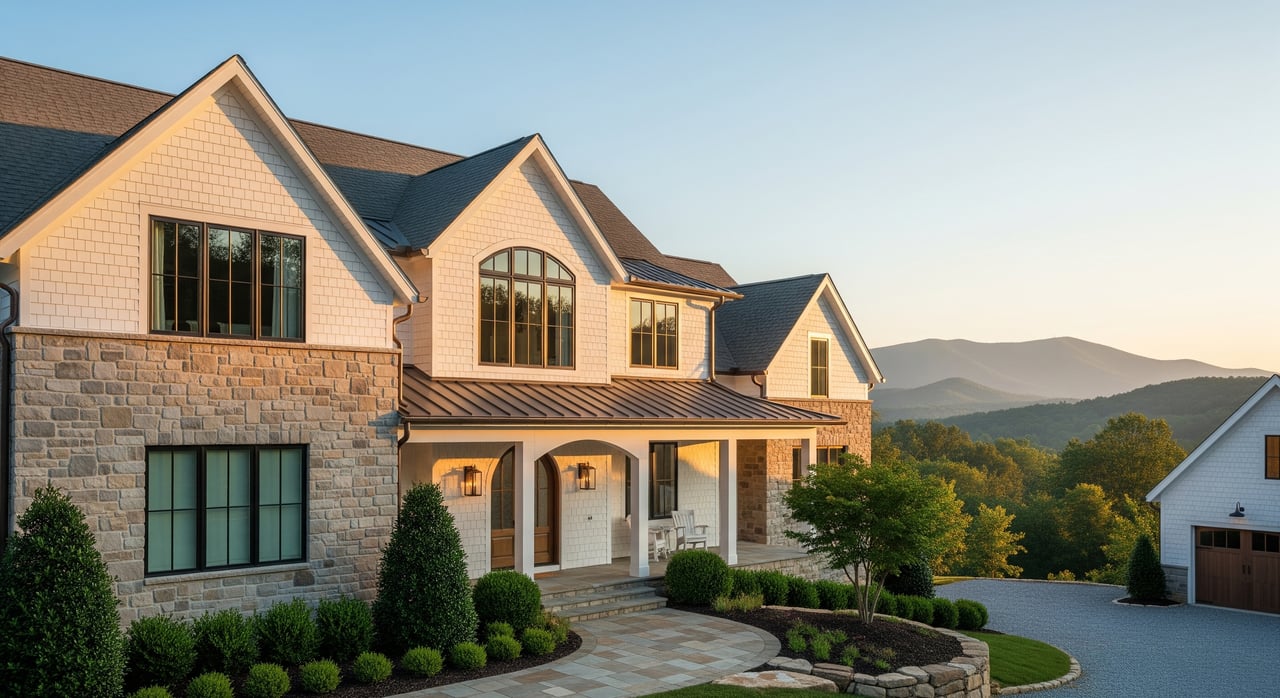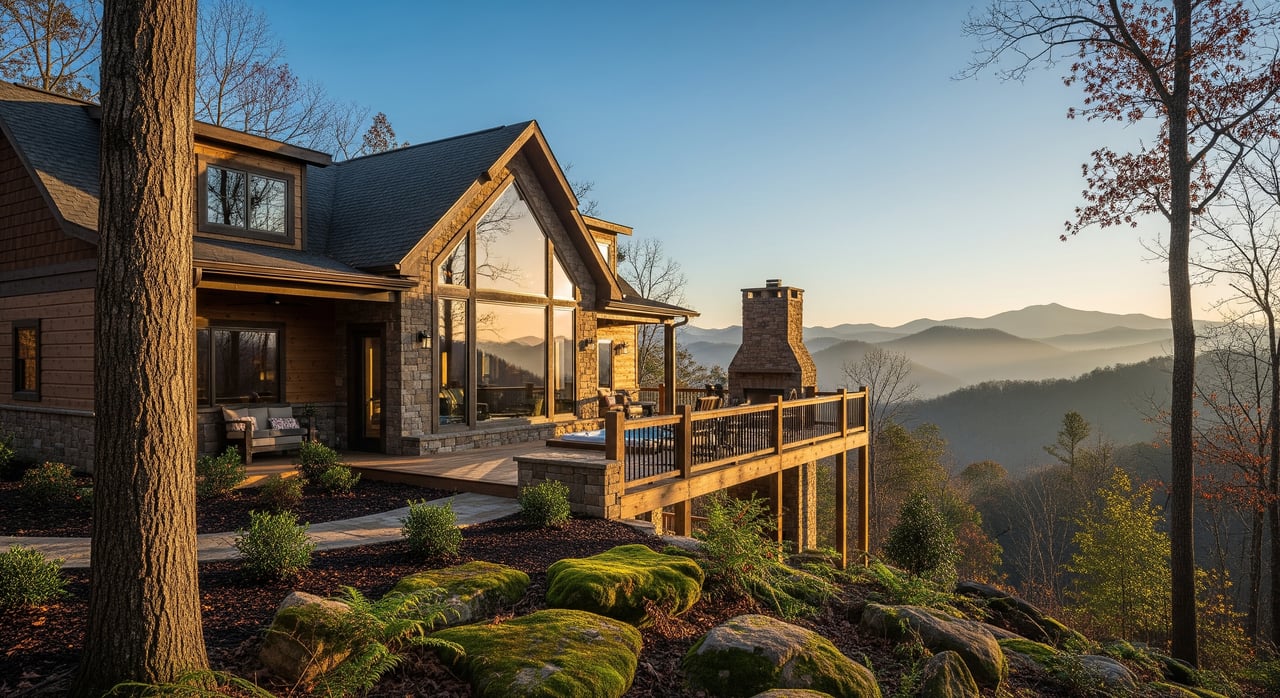
Thinking about buying a cabin in Pigeon Forge but not sure where to start? You’re not alone. Between vacation-rental potential, mountain terrain, and local rules, there’s a lot to weigh before you write an offer. In this guide, you’ll learn how the market works, what types of cabins fit different goals, which permits and taxes to confirm, and the exact steps to take from research to closing. Let’s dive in.
Why Pigeon Forge cabins stay in demand
Year-round tourism engine
Great Smoky Mountains National Park is the most visited national park in the country, and it anchors visitor demand for Pigeon Forge and nearby Gatlinburg. That steady flow supports short-term rental (STR) bookings across seasons. To understand the tourism backdrop, explore the National Park Service’s overview of the Great Smoky Mountains National Park.
Who buys here
You’ll see three common buyer profiles:
- Second-home owners looking for a weekend base with easy access to attractions.
- Investors focused on STR income and long-term appreciation.
- Hybrid buyers who enjoy the cabin part of the year and rent it when they’re away.
Choose the right cabin type
Small rustic cabins (1–2 bedrooms)
These are popular entry points for first-time buyers and smaller STRs. They’re easier to clean, furnish, and maintain, but nightly rates and gross income are lower than larger homes.
Mid-size family cabins (3–5 bedrooms)
This is the sweet spot for many STRs. Features like a hot tub, game room, and good parking can boost occupancy and nightly rates. Balance amenity upgrades with realistic operating costs.
Large luxury cabins
Bigger homes can command premium rates for groups. Expect higher insurance, utilities, and maintenance. Strong views, high-end finishes, and quality photos help justify pricing.
Land for a custom build
If you’re buying land, confirm access, slope, utilities, and septic feasibility early. Mountain terrain can add cost for driveways, retaining walls, and foundation work.
Location and access checklist
- Proximity to attractions and the Parkway for guest convenience.
- Year-round access with safe road grades and adequate parking for multiple vehicles.
- Utilities: public water/sewer versus well/septic, internet reliability, and propane availability.
- Structural readiness: roof age, HVAC capacity, moisture control, and insulation for humid summers and cooler winters.
- Outdoor safety: driveway surface and slope, drainage, retaining walls, and defensible space.
Know the rules before you buy
Short-term rental licensing and taxes
STRs are regulated at the city and county level. Before you offer, confirm licensing, inspections, and business tax requirements with the City of Pigeon Forge and Sevier County. For statewide sales and lodging tax rules, review the Tennessee Department of Revenue. The City of Pigeon Forge is your source for local planning, codes, and business licensing; start at the city’s official website.
Zoning, setbacks, and HOAs
Verify zoning and allowed uses for STRs, minimum lot sizes, parking rules, and any HOA restrictions. Ask for copies of covenants and design guidelines if the property is in a subdivision.
Safety and occupancy
Rental properties need smoke and carbon monoxide detectors, fire extinguishers, egress-compliant bedrooms, and parking/occupancy that meets local codes. Check with local fire officials about current life-safety requirements.
Taxes, insurance, and operating costs
Property and lodging taxes
Budget for county property taxes and any local assessments. STR owners typically register and remit transient occupancy and sales taxes. Rates and rules change, so confirm current requirements with the City of Pigeon Forge, Sevier County, and the Tennessee Department of Revenue.
Insurance for mountain cabins
If you plan to rent, you’ll likely need a homeowner or landlord policy with STR coverage or an STR-specific policy. Review exclusions for earth movement or landslides, and check your flood status using the FEMA Flood Map Service Center.
Typical ongoing expenses
- Utilities: electric, propane, water, septic service, internet.
- Maintenance: HVAC service, roof and deck upkeep, pest control, landscaping, and winter prep.
- Operations: cleaning, linens, guest supplies, platform fees, and property management.
- Reserves: set aside funds for repairs and slower seasons.
Financing and valuation basics
Loans for second homes vs. STRs
Lenders treat investment properties differently than primary residences. Expect higher down payments and possibly higher rates for STR-oriented loans. Ask lenders about road access, private road agreements, and STR underwriting guidelines.
What drives value here
Use local comparable sales for pricing and consider rental potential if you plan to operate an STR. Features that lift value and bookings include views, hot tubs, game rooms, and proximity to attractions. Steep driveways, deferred maintenance, or limited access can reduce value.
STR economics in Pigeon Forge
Revenue drivers to watch
Bedroom count, bathrooms, amenities, and quality photos matter. Location near the Parkway or scenic views can increase booking velocity. Local property managers and STR data providers like AirDNA or Transparent can help you benchmark occupancy and daily rates.
Seasonality and occupancy
Expect peak demand in summer and during fall color. Holidays and special events can push rates higher. Use conservative assumptions for off-season months and plan cash reserves.
Management options
Self-managing can improve margins but takes time. Local management firms handle guest communication, cleaning, and pricing for a fee. Interview firms, compare services, and check references.
Your step-by-step buying timeline
- Get clear on your goal: personal use, STR income, or both.
- Review current comps and rental benchmarks with a local agent and property manager.
- Verify zoning, STR eligibility, parking rules, and any HOA restrictions.
- Talk to lenders experienced with mountain/STR properties; secure pre-approval.
- Tour properties with a focus on access, utilities, structure, and safety.
- Write a competitive offer with contingencies for inspections, septic, survey, and permits.
- Complete inspections: home, septic, chimney, electrical, pest, and permit history.
- Finalize insurance with STR coverage if applicable.
- Close, then complete business licensing and tax registrations before hosting guests.
Due diligence checklist
- Confirm recorded deed, boundaries, and easements with the county recorder.
- Verify zoning and permitted uses, including STR status and any violations.
- Review road maintenance agreements for private roads and emergency access.
- Check utility connections; obtain recent septic inspection and permit records.
- Order a comprehensive home inspection focused on structure and moisture.
- Inspect chimney/fireplace and confirm carbon monoxide detection.
- Request survey and review any unpermitted additions or conversions.
- Schedule well water testing if applicable.
- Conduct pest and termite inspection.
- Plan post-close steps: licensing, tax registration, insurance endorsements, and vendor setup.
Work with a local advisor
Buying a cabin here is about more than a great view. It’s about choosing the right location, confirming STR legality, and modeling costs with realistic seasonality. If you want a clear path from shortlist to closing day, with local insight and a tailored plan, connect with Karli Pritchard for a personalized market consultation.
FAQs
Are short-term rentals allowed in Pigeon Forge?
- Often yes, but they’re regulated; confirm current licensing, inspections, and business tax rules with the City of Pigeon Forge and Sevier County before you buy.
How seasonal is rental demand for cabins?
- Expect strongest occupancy in summer and fall; plan for lower rates and occupancy in off-season months and keep reserves for slower periods.
What hidden costs should I plan for?
- Septic maintenance, driveway and private road upkeep, higher insurance for STRs, frequent cleanings, guest supplies, and seasonal repairs can add up.
Can I finance a Pigeon Forge cabin used as an STR?
- Yes, but loan terms differ from primary residences; many lenders require higher down payments and reserves for investment properties.
How do I check flood or landslide risk on a mountain lot?
- Review your FEMA flood status on the Flood Map Service Center and ask your inspector and insurer about slope stability and related exclusions.