Wondering whether a Lenoir City lake community is the right fit for your lifestyle and budget? That is a smart question to ask before you fall in love with the water views, marina access, or golf-cart-friendly streets. If you are comparing communities near Fort Loudoun or Tellico Reservoir, understanding HOA structure, amenity access, and waterfront rules can help you avoid surprises and make a more confident decision. Let’s dive in.
Why HOA details matter in Lenoir City
Lake living in and around Lenoir City often comes with more moving parts than a typical neighborhood purchase. You may be looking at shared amenities, private clubs, marina access, shoreline permits, and separate fees layered on top of standard ownership costs.
That matters even more on TVA reservoirs. Fort Loudoun Reservoir has 379 miles of shoreline and 14,600 acres, while Tellico Reservoir has 357 miles of shoreline and 15,560 acres, and TVA requires approval for shoreline construction or alterations, including dock-related changes.
For you as a buyer, that means the community itself is only part of the picture. You also need to know what the HOA controls, what TVA controls, and what features may require separate approvals or fees.
How Tennessee HOA rules usually work
In Tennessee, the declaration is the legal instrument that creates the HOA and typically includes restrictive covenants, bylaws, and related governing documents. Rules and regulations are separate written policies that often cover conduct, exterior appearance, and property use.
In practical terms, you should expect more than one document to shape daily life in a lake community. The declaration may set the foundation, while rules and regulations handle the details that affect parking, exterior updates, rentals, amenity use, or architectural review.
Tennessee’s residential property disclosure form also shows how important these issues are during a purchase. Sellers are asked to identify whether an HOA has authority, the HOA name and address, monthly dues, special assessments, deed restrictions, common areas, and flood-insurance requirements.
What to expect from lake community amenities
Not all amenities work the same way, even in communities that look similar at first glance. A pool, dock, trail system, clubhouse, or marina may be owned by the HOA, operated as a private club, or managed under a separate membership structure.
That distinction is important because amenity access and amenity ownership are not always the same thing. A neighborhood may advertise golf, boating, or fitness options, but your access may depend on added memberships, use fees, or availability.
Tellico Village expectations
Tellico Village offers a broad resident lifestyle with private golf courses, recreation, boating, fishing, swimming, and trails. Its governance structure is resident-run, with a volunteer board that sets strategy and open meetings available to property owners.
The community’s annual budget approaches $40 million and is funded through monthly assessments and amenity-use fees. Tellico Village also has 630 resident slips and 31 personal watercraft spaces, with separate slip and storage charges, which is a good example of how boating access may sit outside base dues.
WindRiver expectations
WindRiver in Lenoir City is a gated lake-and-golf community with a marina, golf, clubhouse, dining, wellness offerings, a pool and sports complex, and a trail system. It presents a strong lifestyle package, but buyers should pay attention to how memberships and fees are structured.
Its materials separate real estate from membership categories such as Social, Founding, Annual Golf Pass, and Annual Corporate Golf. For you, that signals a layered model where homeownership and club participation may not be bundled together.
Rarity Bay expectations
Rarity Bay has a club-style setup that includes community docks, golf, pickleball, tennis, swimming, fitness, and equestrian amenities. Its governing documents indicate that private amenities may operate through club membership, daily fees, use fees, or on a public or private basis.
Rarity Bay also notes that community activities are open to property owners and renters, while some activities require club membership. That makes it especially important to ask what is included automatically and what comes with separate costs.
Base dues versus added fees
One of the biggest surprises for buyers is that HOA dues are usually paid directly to the association and are not part of your mortgage-servicer payment. Beyond that, lake communities often have a base layer of dues and then additional charges for specific amenities.
In a practical sense, your monthly ownership cost may include more than one category:
- Base HOA or POA dues
- Amenity-use fees
- Marina or slip fees
- Golf or club memberships
- Transfer or initiation fees
- Special assessments
If you are comparing two homes in different communities, this is where the real cost comparison starts. A lower purchase price does not always mean lower total ownership cost if access to boating, golf, or club amenities requires separate payments.
Special assessments and nonessential amenities
Tennessee law gives buyers a useful framework for asking questions about special assessments. Under the current HOA statute, special assessments for nonessential amenities must pass by at least a two-thirds vote of the total membership and must include financing or a payment plan.
The law also prohibits foreclosure for nonpayment of that kind of assessment. In lake communities, this matters because amenities such as pools, clubhouses, and tennis courts can be expensive to maintain or upgrade.
That does not mean assessments are unlikely. It means you should review recent budgets, meeting minutes, and any discussion of upcoming capital projects before you buy.
Waterfront ownership brings extra diligence
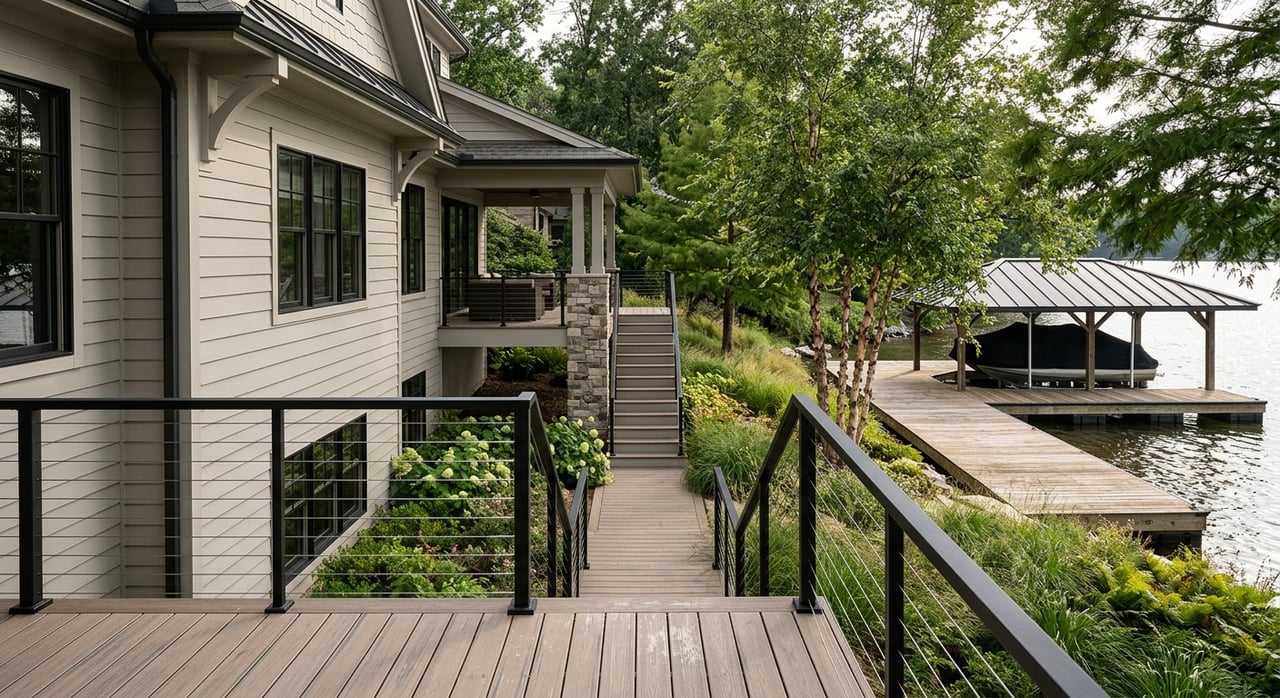
Buying in a lake community is not only about the house and neighborhood. If the property touches the shoreline or includes dock access, you should also verify land rights and any Section 26a permit.
TVA says shoreline construction or alterations require approval, even for minor dock changes. You should also confirm that the permit and site improvements match what is actually on the property.
This is one of the most important differences between a typical suburban purchase and a waterfront one. A beautiful dock, seawall, or shoreline setup may still require careful verification during your due diligence period.
Questions to ask before you buy
The best lake community purchases usually start with clear questions early in the process. If you ask the right ones before making an offer, you can compare communities more accurately and avoid expensive misunderstandings.
Use this checklist as a starting point:
- What do the base dues cover?
- What is billed separately from the base dues?
- Are there initiation fees, transfer fees, marina fees, golf dues, or club memberships?
- Who owns and maintains the dock, seawall, marina, roads, landscaping, and entrance features?
- Is the shoreline covered by a TVA permit?
- Do the permit documents match the existing shoreline improvements?
- Are there current or planned special assessments?
- Do any planned assessments relate to nonessential amenities?
- Are there rental restrictions, and when were they adopted?
- Are exterior changes subject to architectural review or other approval?
- Is the HOA professionally managed?
- Can you review recent meeting minutes and financial documents?
These questions can quickly reveal whether a community is a simple fit or one that needs a deeper review.
Rental and use restrictions to review
If you are thinking about future flexibility, rental rules deserve special attention. Tennessee defines long-term rental property as a lease of 180 or more consecutive days, and certain existing owners may keep a vested right to rent long-term if a later amendment attempts to prohibit it.
You should not assume that every lake community treats rentals the same way. Ask for the current declaration, bylaws, and rules so you can confirm whether long-term rentals are allowed, limited, or subject to amendment history.
This matters for primary residences, second homes, and long-range planning. Even if you do not plan to rent now, you may want to preserve that option for the future.
Flood, drainage, and insurance questions
Lake lifestyle and water access can be a major draw, but they also make property diligence more important. Tennessee’s disclosure form specifically asks about flooding, drainage, flood-insurance requirements, and nearby nuisances.
That means these are not side issues. They are part of the core information you should review before you move forward with a waterfront or water-adjacent purchase.
If you are comparing homes in Lenoir City or nearby Loudon communities, make sure you understand whether flood insurance is required and whether any drainage or water-related concerns have been disclosed. That extra review can protect both your budget and your peace of mind.
What this means for your Lenoir City search
The right lake community depends on more than views and amenity brochures. You need to know how the HOA is structured, what your dues actually cover, which features require separate memberships, and whether shoreline improvements and permits line up.
For many buyers, communities like Tellico Village, WindRiver, and Rarity Bay each offer a different version of East Tennessee lake living. The best fit comes down to how you want to use the property, how often you expect to access amenities, and how comfortable you are with the rules, fees, and approval processes involved.
If you want help comparing lake communities around Lenoir City and Loudon, Karli Pritchard can help you evaluate the lifestyle, costs, and due diligence details before you make your move.
FAQs
What should you review before buying in a Lenoir City lake community?
- You should review the declaration, bylaws, rules and regulations, financial documents, recent meeting minutes, dues, special assessments, common-area details, rental restrictions, and any flood or shoreline permit information.
Are HOA dues in Lenoir City lake communities part of your mortgage payment?
- HOA dues are usually paid directly to the association and are generally not included in your mortgage-servicer payment.
Can lake community amenities in Lenoir City have separate fees?
- Yes. In many lake communities, base dues cover one layer of services, while marina access, golf, club membership, slip storage, or other amenities may have separate charges.
Why do TVA permits matter for Lenoir City waterfront homes?
- TVA approval is required for shoreline construction or alterations on these reservoirs, so you should verify land rights, any Section 26a permit, and whether existing improvements match the permit records.
Do Tennessee HOA rules affect special assessments for amenities?
- Yes. Tennessee law says special assessments for nonessential amenities must pass by at least a two-thirds vote of the total membership and include financing or a payment plan.
Should you ask about rental restrictions in Loudon County lake communities?
- Yes. Rental restrictions can vary by community, and Tennessee law includes specific rules around long-term rentals, so it is important to review current restrictions and when they were adopted.